Blog
-
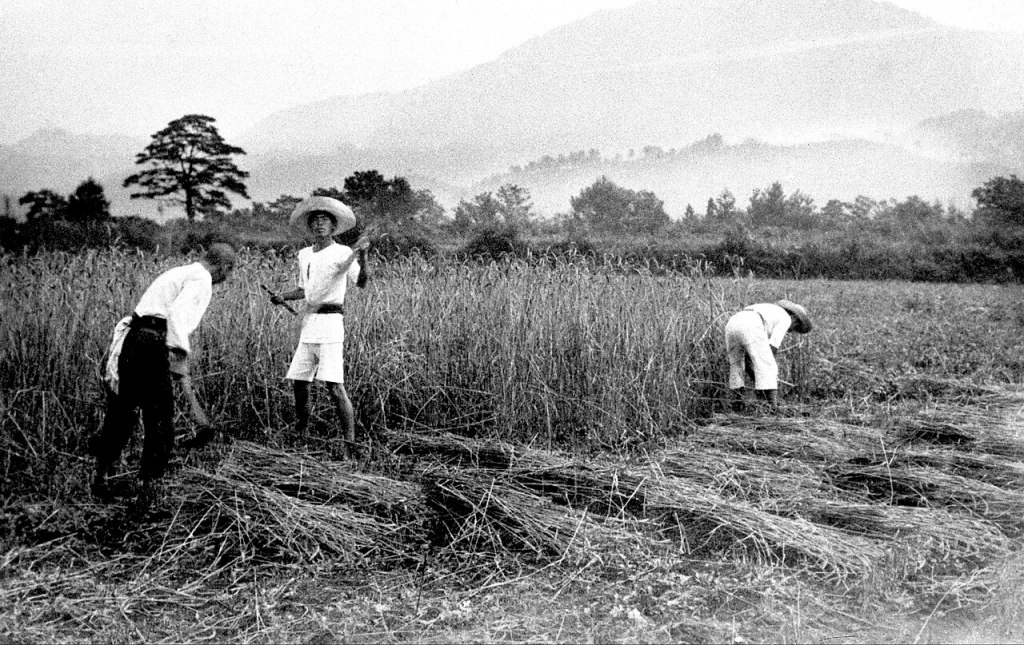
Followed by his colleagues from the Peers’ School, Mushanokoji began publishing Shirakaba in 1910, which was to become the most important literary magazine of early twentieth century Japan. He had graduated from the Peers’ School, then withdrawn from Tokyo Imperial University in 1907. Shirakaba means “White Birch,” in reference to the white birches that appear… Read more
-
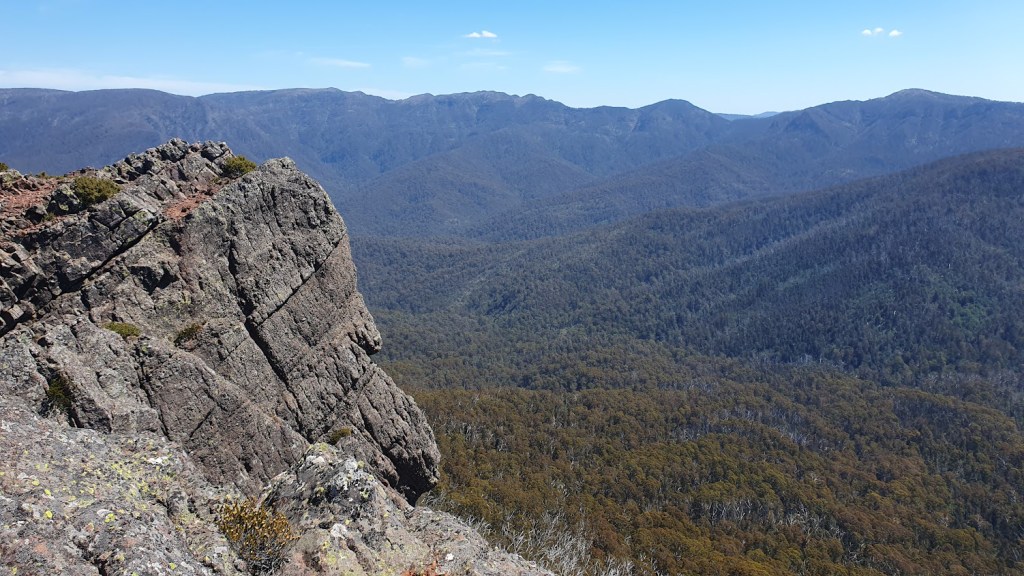
It was November 2024, the Melbourne Cup weekend, and we had four days to complete the Razor Viking circuit. After spending Friday night at Muttonwood camp, twenty kilometres north of Licola, we drove over Mt Tamboritha, along the Snowy Range, and arrived at Howitt car park. Having just met the party of nine, I kept… Read more
-

In Chapter Three, Jibun attends an alumni reunion, where he is offended by some of the mildly off-colour gossip shared by his former classmates. His beloved Tsuru is not far from his thoughts at any time, an object of absolute purity. I have borrowed an anonymous erotic artwork from late in the Meiji era (1868-1912),… Read more
-
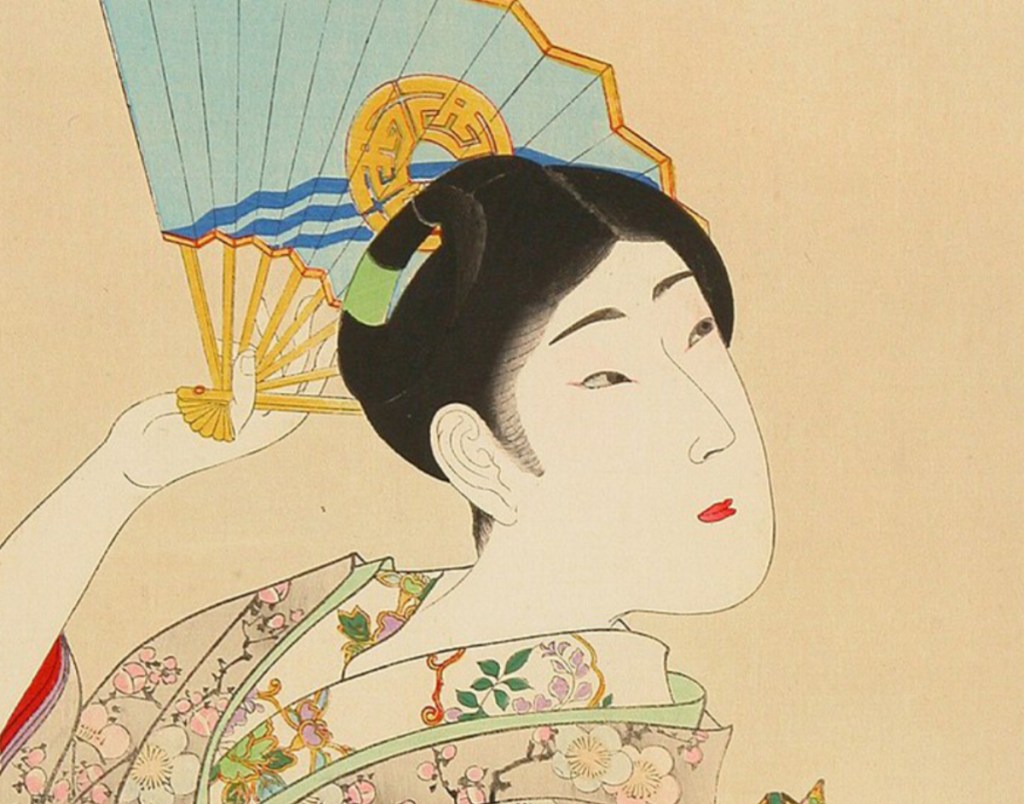
In my previous post, I referred to Jibun’s description of two women outside Maruzen bookstore as having “a round face, in a flowery kimono, heavily powdered,” assuming them “naturally” to be geisha. His casual observation raises an intriguing issue about the perception of physical beauty across cultures, which will afford us a diversion touching on… Read more
-
Driving through the streets of Fitzroy at night you become obsessed with streetlight and the sound of an imagined disturbance occurring in flat thirteen on the twenty-fifth floor of the Brunswick St. commission flats. In daylight, there is little to see but a urine stain on a tram shelter seat. An old stiff with a… Read more
 Furin Chime Press™