Blog
-

Almost a century and a half has passed since Smith launched his penny blood, so it is natural that a mere aside by the narrator can set off a question mark that repays investigation. In considering the theory of literature, the French philosopher Paul Ricoeur describes how a text moves from the world of human experience,… Read more
-

Margaret Oliphant’s essay ‘The Byways of Literature: Reading for the Million’ (1858) is something of a seminal study in literature and popular culture. Her elegant piece is by turns endearing — particularly in her approval of our man Smith — and a worry for its tone of condescension towards ‘the Million,’ meaning the multitude, the ‘lower… Read more
-
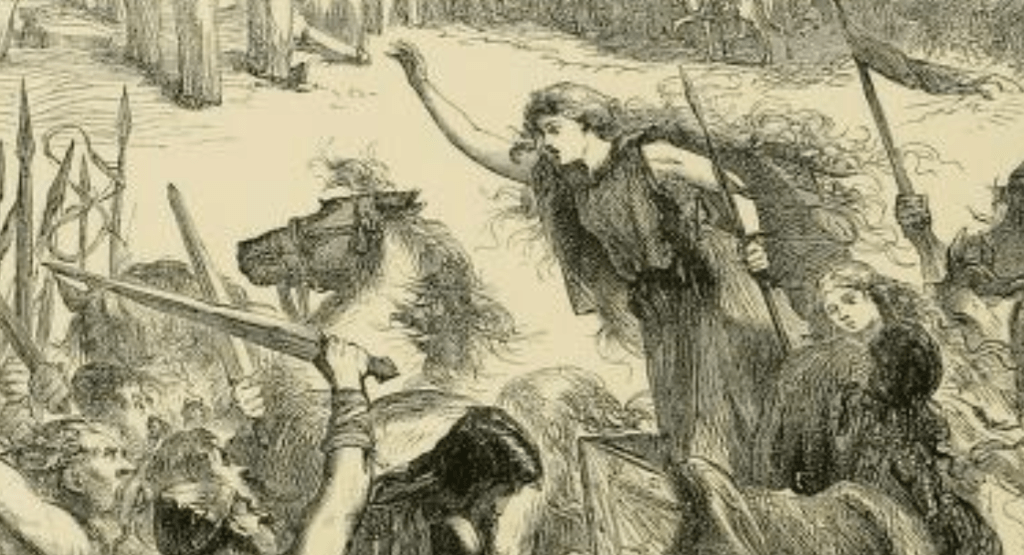
This chapter presents insights into the motivations and machinations in play at the ‘higher end’ of society. A far cry from Mrs. Hurst’s scheme to have William and Goliah banged up for the ‘theft’ of the horse and wagon, motivated partially by her rivalry with Mrs. Gob over her excellent butter. Nevertheless, the differences appear… Read more
-
I’ll keep good the promise made by the 1883 newspaper sources for this reconstructed penny blood mystery, by providing their mid-way summary. The author of the novel is the Englishman John Frederick Smith, the most popular writer of the mid-nineteenth century — but in later years all but forgotten. The annotated instalments include contextual notes… Read more
-

Smith lingers over May Day while introducing a new source of conflict. The early twenty-first century reader may wince at the themes of gender and morality so firmly foregrounded. In our era we have the advent of LGBT rights, and concurrent with them, the destabilization, at least, of traditional gender identifications; such that perhaps the… Read more
 Furin Chime Press™