Blog
-

In the previous chapter, Clara expresses her relief when William turns out to be a gentleman, as is borne out by the credentials printed on his card and his reputation as a scholar, which has become a matter of public knowledge. Lady Kate hadn’t doubted it, perhaps thanks to her greater sensitivity to him and… Read more
-

Old newspapers are not much cared about and are often applied to undignified functions, recalling Dryden: From dusty shops neglected authors come, Martyrs of pies, and relics of the bum. (‘Mac Flecknoe’) or tossed on the rubbish heap, as in Joyce: About that original hen. Midwinter (fruur or kuur?) was in the offing and Premver… Read more
-

Prior to the two Australian newspaper series we’re using to reconstruct The Mystery of the Marsh, the novel appeared serialized in the New York Ledger during the period December 1882 — March 1883. You may recall that Smith moved from Europe to the United States in 1870, residing there until his death in 1890. According… Read more
-

The scene shifts to Paris, where Smith can draw upon his youthful experience of bohemian life in the Latin Quarter. A character in our upper echelon has gone there to take care of some … unfinished business — of the serious kind. Here we meet a new brand of character, a detective by the name… Read more
-
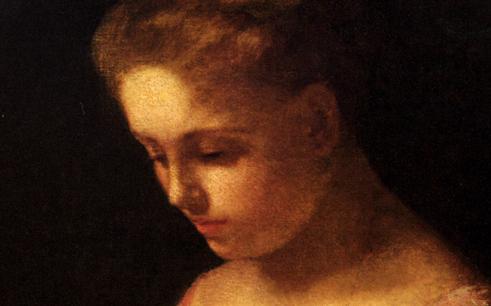
What a presumption of Burcham’s that Lady Kate’s cousin Clara Meredith will drop everything and marry him because an inheritance of five thousand a year hinges on it! He doesn’t need Mr. Brit to tell him there will be possibly much more for him when her father dies, issues of marriage and inheritance dictating the… Read more
 Furin Chime Press™