Blog
-

We arrive at last at the denouement. The term is borrowed from the French dénouement, Aristotle’s Poetics first having made its way into English via André Dacier’s 1692 French translation, Poëtique d’Aristote Traduite en François avec des Remarques. In Aristotle’s Art of Poetry (1705) Theodore Goulston translates dénouement as “unravelling“: Over the next few decades,… Read more
-

It’s giving nothing away to say, here facing the penultimate chapter, that we’re fast approaching the end. The perfect place to spend a few minutes pondering not only ends — before it is too late, for one thing — but beginnings and middles as well. One of those perforated works of Aristotle’s, his Poetics, is… Read more
-

Did anyone notice, ages ago, the noble Bunce occasionally nip over to Hearst’s farm at Deerhurst to court the farmer’s pretty daughter Susan — even trying to steal a kiss one time — before coming onside and making himself useful as an occasional lookout for her and Goliah while they canoodled in Mrs Hearst’s garden?… Read more
-

The remainder of Chapter Twenty-nine reveals the identity of the visitor, whom the girls had thought ‘the unprincipled agent of their persecutors.’ Smith provides some of his own observations which bear upon our researches into points of nineteenth century law affecting women and marriage. CHAPTER TWENTY-NINE (Continued) To the astonishment of the cousins they saw… Read more
-
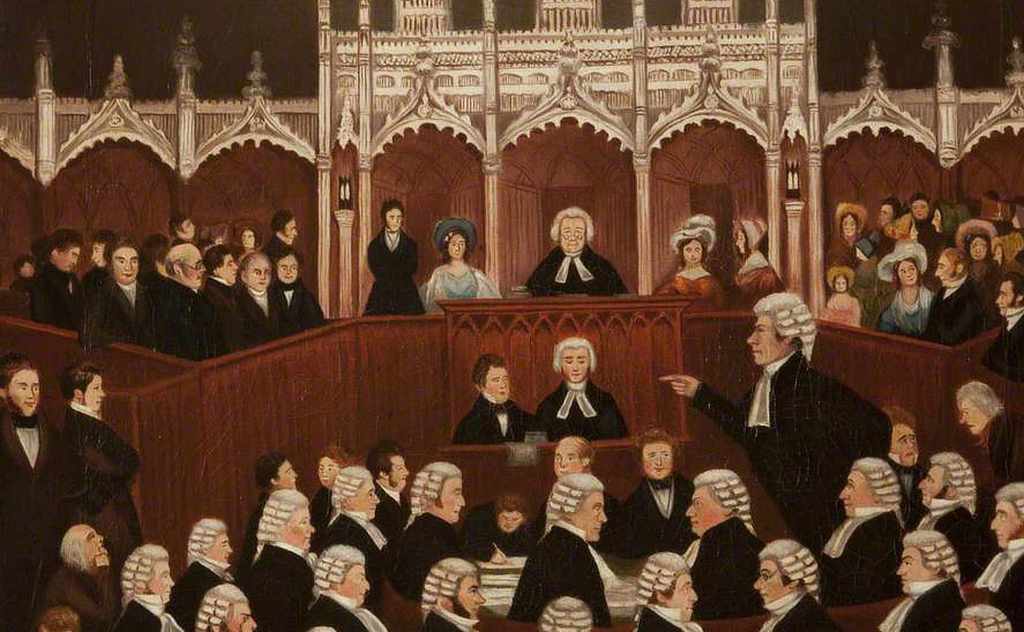
Abducting two heiresses with a view to forcing them into marriage is not as unbelievable as it may appear. Though the Victorians may be said to have “pioneered the emancipation of women” in substantial ways (Perkin), the status of women’s rights in law per se remained debatable. The question raised is whether the letter of… Read more
 Furin Chime Press™