Dressed as a cat I traipse through the streets and lanes of yesteryear, a mystery of mind so despised, so unperceived, that this territory marked by squirts of indifference (over many years) has never been gained at all.
A quiet squat in the crepuscular light. Who am I but an indistinguishable feline made final by fractals of form? By the moon’s shifting gleam, its play of light perfect upon this silver-blue fur. Desolate, quiet, pin-prick final, cutting to the quick of my core.
This one’s for the cat-people. For those made lonely by the dysentery of experience, or time’s dismal episode flickering on TV like a brain that does not matter. This one’s for the long-distance lovers sifting through their screens. Searching for solace within a shame that reverberates beyond the data-stream and which connects us by our sorrow.
I have seen the man who walks these streets carrying cane and dressed in black. I watch him through a knotted hole in a wooden fence. This Catherine Wheel dream circulating beyond the vapour rising from my ejected waste. A territory marked, a form found; (one in keeping with my inevitable demise). A sigh, then relief … A moment during which the transition to humanity begins, then is at once complete. This eye is glass but the orb is deep. The flesh advances, putrefies … My troubled tail collapses from one too many lashings. This cat, in all her fractious wonder, finally, she sleeps.
The Tar Machine
home
family
mother
father
sister
brother
strap
leather strap, spray, wind, the leather strap lets fly like the tail of an angry puma, black cat, yellow eyes, her name is holly, holly stares at her surroundings from the safety of her cane basket, the black and white tiled kitchen floor is a precipice that requires the most sensuous negotiations of the four paws of a cat, even if there was a mouse dawdling along the skirting board holly would not be interested for survival is foremost in her cat’s brain, all mice can wait, there will be time to play when the job is done
inside the house seen through the yellow eyes of holly the cat, she stands, she expands both this way and that, the fur on her back like iron filings drawn to a powerful magnet secretly implanted in the ceiling, holly’s fur, it has a life of its own as it leaves her spine, a flock of fine hair scurries along the walls of this sullen room, and i, in my decrepit bed, i wake from dreams of long ago anticipating some relief, shake the sleep from my eyes, and discover for the forty thousandth time these bluestone walls and the sound of an unseen creek trickling outside, i do not rise from this mattress of straw, it is as if i must lever this body across time, and i can no longer remember whether this exacerbated cat was once a childhood pet or has always been a black and hissing figment in my mind, my hair, black as well, yet inferior to holly’s, it hangs across my face, oily, traces of grey, how long have i been in this room, did i arrive yesterday on a star descending past the moon as it streaked across the universe, no matter, these walls, the sound of that creek, and holly’s tail insinuating itself into my ear, her unclipped claws hooked into the flesh around my shoulder blades, and rip with a flourish, and rip with another, and my skin descends toward the base of my spine in curlicues that gather between the pads of holly’s paws, i once administered pain, i have spilled blood and drank it and rubbed it across my chest, created a pattern from someone else’s misery, only to have their misery become my own in this room, behind these walls, with holly on my back inside my mind tearing strips from me, exposing the ribs of a time that seems so ancient, if only i could find words that would adequately express this sinister dream inside a mind rupturing within the remembered blood of someone else’s misery, these words i cannot find are walls to the sound of that trickling creek i imagine runs through a field on the outside of this room, daisies, sunshine, these words are so inadequate, they do not inspire, and my dream drifts back into this room, behind these walls, exhausted, i dump my body back on this bed and realise the idyllic creek outside is just the sound of metal coils contracting beneath my weight
rupture, jenkins, and yes, i run my fingers through my hair, feel the greasy touch of whiskers covered in human oil, and yes, i remember a man named jenkins, his soul split by experience, and yes, jenkins, he wore black horn-rimmed glasses like antelope horns belonging to the twisted cape of some disfigured shaman, and his stories, they were of the blackest kites swirling in a cumulonimbus sky, jenkins stories breaking his listeners bones, scooping out the marrow they believed in, replacing it with a dowel of the blackest type, until it was jenkins who was able to make his listeners fly upon recitals of his disfigured shaman’s dreams, this story of green leaves turned grey, decomposed and banking up along the seams joining the walls inside this bluestone room, and jenkins, you sit here now, your grey hair in strands across your scalp, leaving the slightest freckle revealed, what is inside your head jenkins, what sits beneath that freckle, is it a manifestation of the sprinting cancer inside your body, talk to me jenkins, tell me stories from inside your room, is it like mine jenkins, or are there many rooms, one containing a kitchen table, a silver room jenkins, you are a lucky man, let me hear the story of your silver room jenkins, tell me jenkins, explain the specifications of your room, talk jenkins, i will listen, i will abide by your regulations, it is fortified with steel, your wife stands by an ironing board, her tongue extends toward you, entering your ear, you feel the sound of her tongue entering your ear and your perceptions are momentarily disfigured, a split of the soul jenkins, your wife, she has control, for it is your ear inside her mouth when she swallows, and yes jenkins, your story is one of love floating high on air clouds whipped by currents into a cumulonimbus sky, and jenkins, what has become of this thing, this globule of ectoplasm that we thinly, that we inadequately describe as a soul, is it spread amongst green fields inside the highways and streams that make up the vascularity of your interior, are you totally diseased jenkins or is this infection confined to the flesh beneath your missing ear, talk jenkins, i will listen, talk jenkins, speak, and you are silent, and i am feeble, and jenkins, we shall sleep now, and continue our disfigured dissertation when we wake
silver room, silver lady, the lady inside the silver room dances with a broom extending up her arse and out her ear, she thrashes at experience, sweeps life into a time when her mind was frozen, when sand gathered in the corners of this bluestone room, she visits me now, the lady inside, she leaves her silver room and crawls from jenkins sleeping ear, i wake, her arms and body heave and sway in front of me, inside the mountain with a thousand caves that is her torso, those ribs, the ribs of the lady inside, semicircular, smooth ivory ribs, bones of experience, i want to extend my hands through her pink flesh, to visit the interior of her torso and run my fingers along those ribs, like whalebone, the lady inside, her ribs, engraved by the finest cartographer, diagrams as yet unreadable, must get closer, leave this forlorn room of broken dreams, and yes, feel the edge of my dirty fingernail trailing along the inscriptions etched into those ribs, of pathways to the sea, of men in ships, their beards flaying in the wind, of diagrams incised upon the life of the lady inside, and it is the ship that i must see, for it is the vessel that transported my father to this house of hawthorn brick, his memories, his experiences, his fantasies inscribed upon my spine, that spineless act of pissing in a gumboot for fear that your father would rip his love away from you, and yes, it is love at the core of these wretched dreams, it is love that was ripped from me in that house of hawthorn brick, at first, its doors and windows were open to the sun, that house sucked in the juice of spring, dispersed pollen along corridors that degenerated into sand and dust, now, i sit inside this bluestone room, these cold walls, these walls made from thick ice, where memories leak into the general surrounds, memories of a man named jenkins, he sleeps next to me, the freckle on his head alive with the sound of his disfigured brain turning each thought over, each memory, of the woman inside, jenkins wife, who bit off her husband’s ear for fear that he would become contaminated by the goings on inside this bluestone room, these walls, the sound of incessant dripping, gaining speed, becoming a trickle, outside i hear the creek become a river as it races towards the sea, the swirling waters of the mouth of a river regurgitating its soul into the sea, come jenkins, find your feet among the grime, do not slip, struggle jenkins, take your hand away from the place that once held an ear, listen, force yourself to listen as we chip holes through these walls of ice, feel the fresh air of a future life seep into the stale degeneration of this bluestone room, sniff, taste, hear, touch a life that lies paved and spread before us, extending through green fields into the distance, a small creek running alongside us jenkins, running with us, smooth stone experiences to come jenkins, let us walk, and when we are tired we shall sleep once more
and yes jenkins, do you see the stag, its velvet covered antlers a complex of possibilities, presenting pathways jenkins, which path do we choose, it is your turn to choose jenkins, you, the man who turned up that lucky wildcard, your life jenkins, what a laugh, it always seems to rise from somewhere at the bottom of a deck, on a ship, etched into the rib bones of the lady inside, my father, jenkins, jenkins, my father, i walk with you into walls, our heads, our eyes confronting one another yet all this time those pig eyes of yours have prevented me from seeing that you jenkins, you are that father that ripped your love from me and spat it into that bluestone gutter outside that house of hawthorn brick, i love your disfigurement jenkins, want to press my fingers into the pulp beside your temple and elicit strands of love from inside the recess of your brain, a tendon of love jenkins, i suck your love through my lips, it slithers down my throat, it burns the oesophagus, i will eat your entire mind jenkins, my father, i will eat the worms in your mind and shit them back into the sea, in the hope that, in the hope, there is no hope, there is only you jenkins
Tony Reck’s Long Death Last Breath is a work of intense psychological fiction, written in a fevered, stream-of-consciousness style. It traces a man’s descent into obsession, self-harm, and moral disintegration, interwoven with moments of tenderness, delusion, and deferred violence. In support of its themes, the language itself destabilises: syntax stretches, referents blur. Some readers may find the storydisturbing.
⁓ MG
Long Death Last Breath
Light reflected off the surface of the river and caused him to reflect; yes, memories of that house. But traffic on the bridge was thick and he forced himself to concentrate. Little Cindy and Loopy Sally were strapped into the rear seat. Little Cindy smiled and sighed; she was born with wisdom. Loopy Sally waited for her next opportunity. And if that meant waiting for her sister to fall asleep so she might dribble into Little Cindy’s ear, then so be it. He had driven across the bridge many times. One day he would stop. On that day, they would remember him forever.
The western suburbs of Melbourne sapped the required determination. He would speak with her and she with him. They would smile at one another, and the daggers would rise between them. The traffic cleared and he planted his foot as bitumen receded and an exit loomed. He turned left: a pizza joint: a pub: a supermarket: a dealer in antiques. Each establishment displaced by a windscreen that deferred his eventual destination.
The house that once belonged to both of them malingered half-way down the street. There she was, arms folded across her breasts. That shock of peroxide hair fractured at its ends, splitting every soul that sought entry to her home, and the home that Little Cindy and Loopy Sally lived in. Five minutes may as well have been five years. She would have her revenge simply because she could. That’s what love was: an acrobat fallen the wrong side of the net; a failed possession.
‘You’re late.’
The children tumbled out of the car.
‘Inside.’
The girls were gone.
‘This won’t go down well with the magistrate.’
‘You’re joking.’
‘No joke,’ She said.
‘Next week …?’
‘Not if I can help it.’
He removed his daughters’ possessions from the vehicle: clothes, smart devices, a Monkey doll. It had three hands, twelve fingers and three thumbs. Each appendage excluded its other, but the formality of love betrayed was conspicuous between parents who hated one another. The front door followed the gate slammed shut. The moon was up and lunacy illuminated a wall.
He slammed the door of his vehicle. A driver manic with fear – tyres whistled, an intersection loomed. He did not drive, he careered: experienced the lubricated shift of transmission; appreciated cylinders displaced, pistons tuned, and brake fluid mediated by the irascible edge of steel. He steered the vehicle beyond the shopping strip. A hard right onto the freeway, unnecessary speed, and he was back on the bridge. The city skyline strained a ventricle in his chest. Concrete, electricity, and pollution masquerading as cloud, distilled in his brain.
He liked murder and murder liked him.
Several days passed during which he performed the functions required of him. He answered the phone, ate his meals, attended work, and laughed with colleagues during designated breaks. But his laughter belonged to another and a voice infiltrated his ear. Later, he walked home and was obsessed by streetlight and a disturbance he believed was about to occur inside his unit on the 25th floor of the Brunswick St. commission flats. His unremarkable suit shone in the moonlight. He walked, smiled, and deliberated. He sang:
Turn your mobile phone on. Your ID consists of sand. Feel the pulse of phallic-matrix vibrate in your hand.
He had seen the light, and momentarily he was an angel. A Crown of Thorns encrusted around his head leeched blood from wounds that tasted like wine. But this inspiration was a flicker and he remained the creature he had always been: obese, effeminate, selfish, and inconsiderate. He sought retribution for the sin he believed had been committed against him. And as a sinner sinned against, the commission flat he occupied became a sign. Once inside, his desire for retribution would begin.
Screaming was common on the 25th floor of the Brunswick St. commission flats. A cut-throat razor and an awl required sterilisation, while cotton thread might incite infection. But pain procured by a ten-centimetre incision inflicted upon his right hip was suppressed by a sock inserted between his teeth and a mega-dose of paracetamol. The day then passed in deference to the sin committed. That afternoon, Mary Kyrikilli called and questioned his commitment. He placated Mary’s presence and terminated her call. But Mary Kyrikilli was most insistent. She demanded he drive his vehicle across the bridge. Approximation would not suffice; the exact distance had to be ascertained. By evening, Mary Kyrikilli had persuaded him that he must complete this mission.
Divinity accumulated within traffic lines that receded on the bitumen. He braked: a car horn complained, patience was obliterated, and a driver abused him. But sufferance was to be expected from those critical of the divine, and he was saved from a broken nose by selflessness. (Give a sinner what he desired, and transcendence was his forever.) He alighted from his vehicle. An infusion of brilliance followed him to a safety platform. Disbeliever aside, no truth was more telling than that which emanated from within.
He estimated the distance between bridge and river. (A document retrieved from his smart device had proposed fifty metres). But he remained sceptical of the digital realm because he believed it was populated by pedophiles, washed-up rock stars and other degenerates. The divine light would ascertain that which the digital realm failed to quantify; it accumulated in his oesophagus and descended toward the river. Fifty metres exactly, and never mind a document obtained online and tyrannised by an algorithm. The intelligence was artificial, but the bias was human.
Exact distance obtained, he steered his vehicle toward an off-ramp. His left hand was on the steering wheel while his right hand caressed the suture on his hip. He suspected an oscillation had invaded his thoughts. But failed to recognise he was alone in this perception. Mary Kyrikilli had spoken: words: viscera: muscle: bone: marrow; each throbbed in time with his predicament. (His doctor was ambivalent when prescribing fentanyl; a dilemma resolved by a gathering of clinicians who, post-consideration of the patient and the wound inflicted, concluded he be certified then discharged him into the community.)
Driving through the streets of Altona at night, he was once again obsessed by light. On this occasion, however, the luminosity resided beneath the waistline of his shirt. He muttered the word ‘Child’, but was immediately saddened by how the word presented itself. The vehicle dashboard was luminous, as was his crude incision. Two weeks old, tender and putrid, the suture vibrated. His vehicle sped past the previously mentioned pizza joint and its shopfront was made disingenuous by an extrusion of unlit neon.
The antique dealership was also closed. (Nobody, not least his desecrated self, expected an antique dealership be opened at that time of night.) His car crooned, as would any vehicle emaciate before that which was inevitable. A hard left onto a minor arterial and there: his domain. Little Cindy and Loopy Sally were not simply his children: they were his ‘Child’. He had not liked the way in which the word had presented itself. But he muttered it again, until the offending noun was flushed beyond the driver’s-side window.
He parked his vehicle as did his vehicle park him: an organism comprised of flesh, blood, and viscera. Considered in reverse, he was a machine; or, perversely, tumescent flesh, iron-ore, and a crucible containing both, designed for the manufacture of neither. He sat there, headlights diminished, motor cooled, and listened to music – Stravinsky, although he could not say which work. He waited patiently, aware of that which he most desired. And when the opportune moment arrived, he capitalised.
Immersion within the divine had damaged the wound on his hip and information assembled there became algorithmic. He stared through the windscreen and ruminated upon his children. Intelligence was autonomous: numbers calculated: code written: commands received. He had been unhappy with the word ‘Child’ as this had escaped his lips. But his suture concealed a radiance that only he could interpret; or, his tongue, a rendition of lithium, cobalt, carbon fibre and diode, unravelled from his mouth and sought release from his vehicle.
He released the door-handle. The night was warm, and cloud carried precipitation from the west. A globule of rain found his nose. Madness was a tropic of the mind; a mind in Tropicana, so to speak. And if the suture on his hip existed, then reality was made, not procured. He scaled the high fence. The veranda was a minefield of bicycles, pot plants, a brutal mezzanine, and domestic despair. He was surprised that domestic despair persisted, for he mistakenly believed that despair, domestic or otherwise, belonged to him alone.
Powered by the moon, he imagined he was a feline apparition and it occurred to him that entrance could be achieved in multiples: a door, a window, a floor, a ceiling. Ferocious, he crawled beneath the front doorstep. The underside of her home was not defined by cockroaches and beetles and, as precision was life, he crawled with ruthless efficiency. At 3.23 am he was capable of committing the atrocity required by the creature he had become and the phantasmagoria that consumed him.
But he returned to his vehicle.
The night had contracted to a greasy humidity. He had crawled beneath the floorboards of his ex-wife’s home and an excommunication was in order. The arterial was separated by a nature strip. He removed his clothes, hastened toward a sprinkler, and danced within the repeated thrusts emitted from an automated mechanism that cleansed perspiration from his arms, chest, legs, face and neck. Liberated, he returned to his vehicle, patted himself down with a dirty handkerchief, declined within the driver’s seat, and caressed the accelerator toward a poorly-lit intersection.
The next day came and went, as did the day that followed; an excess of light does that to a person. Ensconced within the kitchenette of his commission flat, he might have performed tricks: a deck of cards snapped to a flourish and a palmed ace apparently discovered behind his left ear; a card trick discouraged by his mother, but taught to him by his father. He might have performed tricks and thereby desecrated the memory of one parent but satisfied the demands of another. Rather, he sat, waited and ruminated. Five days later, Mary Kyrikilli had not called and his paralysis remained unresolved.
He gazed beyond the kitchenette window as the sun disappeared behind a nearby apartment. The night progressed; he slept, and dreamed a candle luminescent ignited the entrails of a curtain. His dream erupted in flame. A window exploded outward and the offending protagonist was transported by ambulance to a hospital burns unit.
His childhood had been spoiled by his parents’, but he was not a supernaturalist. He woke, and interpreted the dream as a sign.
He was ready to kill; now, he would spread the word.
Mary Kyrikilli pinged on his smart device. She did not crackle and click or advise him to commit atrocities. And she did not appear as a nightmare he had experienced fifty years earlier. Mary had become a slick communicator, a politician, and she made him fly upon dissertations of her disfigured shaman’s dreams.
He was that flicker of light: the same flicker he had studied weeks earlier, when he had stopped his vehicle on the bridge and ascertained the exact distance between safety railing and river.
And he considered himself a civic individual, even if he was about to murder his children.
His vehicle ran a red light at St. Kilda Junction and Mary Kyrikilli communicated with him via the luminance within his right hip. He floored the accelerator. Perforated white lines disappeared into the darkness and the inner suburbs of the north east soon became the outer suburbs of the south west. An off-ramp; a pizza joint, a supermarket, an antique dealership. A right; a left, a right. He was the pathetic individual he had always been but the luminous voice that belonged to Mary Kyrikilli disavowed empathy. A poorly lit street faded to its inevitable conclusion, as he did to his.
He alighted from his vehicle and it expired before his eyes. But he remained convinced its algorithm would crystallize and transport Little Cindy and Loopy Sally to their final destination.
He threw himself over the high fence, crashed through a branch of Ti-Tree, and feared he may have woken Lucifer himself. He held his breath, and pressed his hands together in prayer. No alarm was forthcoming and the house remained dark. A side-entrance had been reinforced so as to prevent unauthorised access. But tools secured in a satchel were procured, and he flipped the latch with a tyre lever. Several years had expired since his failure to complete external renovations. But he interpreted the incomplete side-entrance as a sign that he remained welcome in the home he had destroyed.
Little Cindy and Loopy Sally slept in the Little Room. He removed a screwdriver from his satchel and inserted its tip beneath a window. The window screeched. He retrieved a jar of petroleum jelly and lubricated the offending surface. Loopy Sally’s face upon a pillow was made luminous by moonlight, and Little Cindy’s breath exited her lips amidst a radiance that illuminated the Little Room.
He woke Little Cindy.
‘Daddy.’
A kiss on the cheek.
‘Get dressed.’
She did.
Eternity was anticipated.
If we were meant to live forever this night would never end.
Long death. Last breath. Expire.
A dressing table installed within the room was a teak contraption. Two angular mirrors positioned left and right of a sheet of reflective glass revealed a triptych of the person he had never intended to be: a monster once a father who had since become a human being.
Little Cindy returned to sleep.
Loopy Sally was a light sleeper.
She glared at her father.
The new moon descended into the Little Room, aspiration was elevated, and malevolence diminished.
He climbed out the window and returned to his vehicle.
Mary Kyrikilli was silent.
The dashboard radiated across his face.
An algorithm calculated kilometres travelled and fuel consumed.
His vehicle ascended an on-ramp.
The skyline of the city of Melbourne was a Mohawk beneath the cavernous sky.
The distance between safety-railing and the river had been ratified. The radiance he believed illuminated his right hip was nestled between flesh and bone. Traffic accumulated, but he was headed in the opposite direction. He stared beyond the Yarra River and across Port Phillip Bay. Maritime light flickered in time with his pulse. He looked out, and he looked down. He saw the faces of Little Cindy and Loopy Sally splayed across the surface of the river.
Fifty metres.
He looked out, and down, and in. To an observer standing on the deck of a boat, or the planet Venus, he was a man who scaled a protective railing; the father of two daughters who had taught him that the person he might have been no longer existed.
A foghorn bellowed in the distance, and he was gone.
I’d like to share the draft of a novel I’ve been writing — a work in progress that’s now nearing completion. I’ll be posting chapters every few weeks as I continue to refine and shape the manuscript.
The idea began while I was researching the life of my great-great-grandfather, a Chinese immigrant to Australia during the gold rush. He married a Chinese woman here, and together they had eight children, all born in Australia. He has since become a well-known figure among researchers of the Chinese diaspora and a celebrated forebear.
While scouring historical books, documents, and newspapers in search of traces of Mow Fung, my ancestor, I came across a striking discovery: a point of intersection between his life and the story of an infamous serial killer in colonial Australia.
In 1882, a naked, headless corpse was found at a desolate spot in the bush near the Deep Lead goldmine, close to Stawell in the Wimmera Region of Victoria. Stawell is an important historical town in the state’s western development. The body was taken to the Junction Hotel at Deep Lead, a business owned by the Chinese immigrant Mow Fung, where it was kept for the police inquiry.
The Argus (Melbourne, Vic.: 1848 – 1957), (1882, January 19) p. 5
The dead body was a startling discovery for me too. The image gave me a visceral shock, in the context of my passing interest in my ancestry — like the miner Wilson, innocently cutting his props. The incident stayed with me, and in a sense haunted me. I researched the fascinating and dramatic hunt for the murderer, and then the details and background as they revealed themselves in a court of law. It was a curious and unsettling experience that started to suggest an idiosyncratic style of exploring and composing my individual connection with the notion of an “objective” historical reality.
My research has led me into questions that reach beyond ancestry, and into the layered complexities of life in colonial Australia, especially as experienced at the blurry edges of official history. My novel unfolds during times of rapid change: in Australia, the expansion of the railways was reshaping landscapes and economies, even as political upheavals in China were pushing many to seek new lives abroad, in search of gold.
These forces produced glimpses of a future for many and wealth for some, as well as friction among the diverse communities arriving, and those already here. Much of what I’ve found lives in fragments: names, glimpses, half-told stories. Writing through them has become a way of listening and imagining — not necessarily to recreate a historical reality, but rather prospecting in the gaps, for symbolic and unconscious resonances unbounded by history.
The real story of my great-great-grandfather and his descendants is remarkable in its own right. But I’ve used it as a starting point for something more speculative: a fictional narrative shaped by an interest in philosophy and Taoism, and explored through a loosely fabulist approach to storytelling. The gold rush theme took on a global dynamic, leading me beyond the Wimmera, to Melbourne, Chinese wilderness and Canton, nineteenth-century San Francisco, and into liminal psychic underworlds. As these worlds and timelines intertwine, history itself begins to warp and shift, distorting the boundaries of time and memory. Hence my working title: Stawell Bardo, a place between worlds in which time is suspended.
So far, I’ve drafted fifteen chapters. Some loose ends still need tying up, and others feel like they want to be teased out further. While assembling my material in Google Drive, I came across an AI podcast tool that generated a surprisingly coherent and listenable overview of the story so far. It doesn’t capture all the nuance, but does offer a reasonable sense of how the project is evolving 🎧:
Content warning: This piece discusses domestic violence, mental illness, and historical accounts of murder.
I first came across the horrifying case of Jane Gray’s murder by her husband, John Gray, in the Sydney Morning Herald of 1870 . A story of homicidal paranoia rooted in delusions of jealousy, it occurred in the village of Calderwood, where I now live, about 67 miles (107 kilometres) south of Sydney, Australia. Then a quiet grazing community, Calderwood retains traces of its pastoral past.
Instances of paranoia, patriarchy, and domestic violence are sadly familiar to us, of course, today. Many have experienced these harms personally, and readers should proceed with caution if the subject matter may be too distressing. That said, my piece does not dwell on the horrific scene of the murder itself, but rather interrogates the issue of Gray’s madness.
I’ve fragmented Gray’s delusions and personified them, so that they become primary elements of the story’s point of view. The monologue may perhaps be read as filtered through his fractured consciousness. These delusions are embodied not only in imagined rivals, but also in symbolic elements such as shadows (referenced in the title Moonshades) and Gray’s axes – visual motifs that reflect the disturbed interiority of his madness.
Notably, the court’s attention to the victim’s appearance reveals something of the moral lens of the time, and of patriarchal society more broadly. Such commentary was considered “relevant” in establishing the delusional state of the accused – his visions of imagined suitors, for example. It is tempting to relate the situation to a collective male gaze at work in the historical account, as I heighten by my imagery.
This piece blends historical record with imaginative reconstruction. Beginning with the original newspaper report, I incorporate archival material alongside creative interpretation to inhabit the case and explore its emotional and moral dimensions. Historical news reportage, which I have appended, conveys the case with stark immediacy.Since my pieceexplores the use of historical data / reality as an experimental springboard for fiction, and maintains the historical documentation, I will label it as “creative nonfiction”, though as you can see, it is actually presented as a calculated combination, and my own piece may be read as fiction or fiction in dialogue with history.
Moonshades
John Gray’s wife was a respectable woman, as all who knew her agreed, when seldom they thought of her, when even less often had they to speak of her. Strapping wench she was, thirty-four at the time of her demise, wearing on her face that cheerful look which makes homely features pleasant to the eye. Alas, no longer! Natural fond heart, and her love for her children enabled her to endure all her troubles with nary a murmur. A female of no extraordinary beauty, how many are, except a small minority? Nonetheless, she was his missus and deserved better. Sweet lamb, and this story has a sorry end indeed, M’lud. But I should allow Your Honour to be the judge of that? Touché, M’lud, ha ha!
May no one doubt she was ever tender-hearted towards him and the little ones. Seven in number, poor Mary and Tom and Margaret and Jane and Johnny and the baby, and that snotty one with the squint.
Where was it he finally tipped? On the rising of this tumultuous tide beneath our trusty barque, the schooner Dairymaid. When the moon is high, then the flux of humours will abound. Seven blows to the left side of the skull, though no brain protruding, as the coroner will attest. Had this Court the power to prevent the unconscionable deed? Let us see about that. Myself, in God’s truth, I think not.
They call me Pryor, always already there, you see, ha ha! First became acquainted with this monster in the paddock at the back of his hut at Calderwood in the Illawarra. Dogged him from then until this moment and beyond. Yes, indeed, Your Grace, had a liking for his missus, I admit, a fact that he must’ve seen right off at once. Not much of a looker, no, but I am inclined to her sort and stuck in my ways, you know. Ha ha! That is my weakness. Hence, as Gray testifies to the Court, I started to sneak up from the creek and hide behind his lightning-blasted tree, whose limbs would not burn – mutilated, leafless all year round it was – and keep a bit of an eye on him and, particularly, on his missus. Who in turn responded generously to me as well, if I do say so, in humility.
Whippet-like, wiry John Gray – some may say gaunt, haunted – walked down a time or two and stared straight at me, almost right through my old heart, when I stepped out of the darkness. Swore and cursed me and my descendants. Had not lost the bog Irish accent after all these twelve years. Filthy rough hands with their dirty, hairy backs. His yellow teeth I remember well. Fellow was of a harsh, abrasive nature, of an insanely jealous temperament, and despicable in his behaviour towards his wife.
Now, the accursed – I meant to say the accused! – will complain for having been followed all over the show, by hill and dale and up the coast to Sydney and back, by a man named Beatson, whom Gray says he met at the Macquarie Rivulet near Tullimbar, not far from his place. And also by another man named Pryor, or Crier, from Shellharbour he be, apparently. That is to me meself he refers, this Pryor or Crier, Your Worship, though the defendant be the one what took up crying towards the end. And as for this other so-called “ruffian” Beatson – well, this Beatson, I can assure Your Worship, is an honest good mate of mine, and I cannot speak high enough of him in respect of his precious and noble character, which is as without blemish as my own, and which is why I love him as my dear friend and companion. And I will not hear him called names by no-one.
A short while after my meeting with him beneath his tree, Gray commences swearing and singing old Irish ditties at me, poorly, I might add. Starts berating his wife soon afterward and ill-using her. Believed she’d taken more than a passing, platonic interest in me and my mate, those times we had crept up along the rivulet and into his paddock.
“What the bejesus are youse two up to there?” he calls out one time.
“Digging a hole to bury you in,” we answers.
Jane Gray watches through a gap in the wall as her husband descends their moonlit paddock towards the creek, his long shadow anticipating his path at every step, lurching here to the right, there to the left. Yes, strangely the shadow seems to initiate the danse macabre. A stagger here, whoops-a-daisy there. Rifle in right hand serves as a walking stick, but then he wobbles in a circle and lets go a shot at the moon.
Drew her shawl about her shoulders. This was to be the last instance of it. He will not hurt me and sure as hell he will not harm my babies! But why, God, why? He was a good, good man, once my very love, but what’s become of all that? She harks back to the Cliffs of Moher, in County Clare, rearing up above the sea, where her heart too soared when he first kissed her, and then when their lips met through the arched window in the ruins of the Killonaghan Church. Ruins our lives have become, too, only taken weeks with the drink, why can he not see it for himself, what he is becoming, what he has become? She sobs, but it will do her no good. She sends her eldest son, Robert, off to fetch the police. “That will ne’er happen no more again, John Gray, you’ve done your dash!” She sobs. “My poor dear own John Gray, I did once so love ye.” Ample sighs.
He called me Beatson, Your Grace, for perhaps he feared I was that part of him would beat the brat. Jane Gray sought protection from the Bench, and her old man was committed to Wollongong nick for twenty-one days when he defaulted on his sureties. Pryor and meself kept watch on him during his incarceration. Whispered in his ear to put him right concerning the woman. She had him up to the coppers, swore he was mad. Saddled him with bastards not his own, she did, as we reminded him more than once or twice. It was at that time he started to weep for no apparent reason, a condition that stuck with him from then on.
When he got out, he made for Sydney by steamer on the Pig and Whistle Line, through the heads to a finger wharf in Darling Harbour, where they unloaded the cargo: butter, pigs, calves, eggs, bacon, fowls, and maize. Hands in the pockets of his shabby old coat, he tramped off into the alleyways, losing himself in a maze of shipyards, factories, warehouses, slums. When it started to drizzle, he drew his collar up and slunk along close to walls, peeping inside a window where he could. They are alive, these walls and chinks, he murmured, and will reveal my future. At least I am free of my missus, who had me chucked in gaol, and free of those assassins with whom she is surely guilty of criminal intercourse.
“There is talking in my head along with my thoughts,” he mutters one evening in the common room of his dosshouse and starts to weep. His cohabitants, rough fellows, swap glances. Scribbles out his testament – a rambling, incoherent narrative. Disguised figures come into the room, whom only he can see. Hears the devil’s laugh, the shrieking of the dead mother, the wail of children, the song of angels. Night after night until he can endure no more. Staggers to a church in Newtown, bangs on the door and begs for the priest.
“My missus sent men after me! They’re chasing me down to dig my eyes out!”
“Father Fitzpatrick is not in, I tell you, sir,” said the servant, and has to send for the constable when the lunatic will not go away.
“What’s this then?” says Constable Lee.
“How dare you address me without your helmet!” The fool went on with his nonsense, concluding with (mark this) “Can I stay at your place?”
“I do not wish to hear about your private affairs. The priest is not here.” Sees Gray firmly into an omnibus going into Sydney, and directs the driver to stop at St Benedict’s Church, though whether he did or not is unknown.
“Remember, me name is Gray, lest anything should ’appen!”
Omnibus tears loose from its spot. Clippety-clop of hooves, ring of steel tyres, and Gray’s muffled ravings diminish in volume as the vehicle trundles down the lane. “I am a man of action, immediately after Zerubbabel!” What a loon!
On the deck of the schooner Dairymaid they wait for the tide to rise. Gray leans back against the rail. His mind seems to him more lucid than ever, contemplating his missus. Whatever others may say, to him she is an alluring creature, a seductive angel, as Pryor and Beatson agree. They whispered lewd suggestions into his ear while he slept behind a pile of timber near Grafton Wharf the night before last. He has overheard them from afar as well – how well their voices travel on the wind and in the echoing pitter-pat of the rain.
He spies the captain getting down from the helm to examine the rigging on the foremast. Shuffles to him up for’ard.
“What is the delay this time, Cap’n? Mate says we are two hours overdue already, on account of the headwind.”
Cap’n makes a mental note of the agitated tone. Not more persuaded of my own sanity than I am convinced he is a lunatic. Once seemed a decent bloke, always sober, wonder what’s got into him?
“We must wait for high tide to cross the rock bar at the entrance, boyo, no way around it,” he says. “She’s no more than twenty-five tons, but draws a good bit more than three foot six with what’s on board – up to five foot. Three-foot-six is the limit, you see, nothing if not quaint and diminutive, this Shellharbour anchorage. Cool your heels, me old son. We’ll be landing soon enough. Ready about!” he calls to the deck hands. Then, “Helms alee!” to warn of an imminent jibe.
“The boys back aft have it in for me, Cap’n, and they’ve got me spooked. How long till she rises? I have got to get away from them, far, far away as possible. They want to throw me overboard, man! I need to get home to my missus and young’uns!”
Sailor turns his weatherworn dial to the aft, where no one is in sight, though the moon casts trembling shadows off the sails. “Who are these ‘boys’ of whom you speak? Not those chaps below, certainly, local pig farmers whom I know very well, returning from the Sydney markets they are, that’s all.”
Gray peers after the diabolical shades, catching them as they slip from sight, just as a veil of shadow-cloud passes across deck. Every minute, cranes his neck to consult the ship’s clock, visible through the hatch. Cap’n watches how he shifts his feet about incessantly. The breeze freshens, carrying Beatson’s voice to him in the dark, “We’ll drive her out and find us a faithful missus!” Looks to the moon, sees in the cloud the image of his dead wife in a coffin.
“You need not be scared of no one on this vessel, man,” Cap’n says, but Gray has already turned away, headed back to where he was. Slumps down, wrings his hands and shrinks into his coat.
Gray looks heavenward. The beguiling moon governs all of this. It pronounces on time, for we shall not pass here until the tide rises, and it is the moon in charge of that, no escaping the moon this night. Oh, when does she rise? Sea churns in, with a roarin’ like the blood in his brain. Dairymaid tosses and creaks. He ought fain chuck himself to the flood, says a single kind voice amid a malevolent chorus, but sadly he forbears. “Where, oh where is my God of retribution?” In the end, he finds his god, and the waters carry them over the rock bar.
Homecoming. The dogs barked as he approached the hut. Take me, I teem with possibilities, says the long-handled axe with an inveigling smile, Take me up, do! But Gray draws back his hand – indeed, clasps his hands together behind his back. Noises inside his head: tolling of bells, murmur of the ocean, rising tide. Scrapes a stick across the wall of the hut, makes a bang and a rattle. Someone left the hatchet by the woodpile, and it speaks to him of what it offers, in the same language as the long-handled axe, but he shivers and shuffles past.
Seven o’clock, and Mother and we children were eating our suppers. He said nothing to us when he came in, but stood staring and swaying.
“What ails thee?” says Mother, but he went into the bedroom without saying a word. She lit a candle and followed him in. When he came out a while later, she cooked him an egg for his supper. He kissed her first, then each of us. We stopped up for an hour after supper, Father smoking his pipe by the fire. “Mr Prescott did not sell the keg of butter, yet he gave me two quid. I bought a pair of trousers and boots out of it, and a shirt. I have three pairs of boots for youse young’uns, and some butter and corn for Mother, still on the way down from Sydney.”
Mother awent to bed, then Father, then us children, apart from Mary and Robert, who being the eldest stayed up to quench the fire. Later we heard Father’s voice and the thumps of hard blows.
“Bloody whore, you’re not dead yet!”
Mary went in and reached for the baby beneath the still weight of Mother, soaked through. At daylight, Father went to the creek for a pail of water. Got his breakfast before going off to give himself up. Kissed the other children, but Mary and I would not kiss him, because he had killed our mother. She was a good wife to him and never gave him any cause to be jealous of her or angry with her. She did not go out anights to meet men, as he falsely said.
Two smug, blood-red–handled axes, one long, the other short, plotting inaudibly in the voices of Pryor and Beatson. Five days later, Jane Gray lifts her hand when her head is being shaved and dies without a word. In his cell, a focus on Gray’s vacant eye fades out to black.
Central Criminal Court (Before his Honor, Mr Justice Cheeke.)
Murder
John Gray was placed in the dock to stand his trial, for that he did, at Calderwood, on the 30th June last, feloniously, wilfully, and of malice aforethought, kill and murder one Jane Gray.
The prisoner was indicted for the crime on Monday last, the first of August. Mr W. J. Foster conducted the case for the Crown; Mr Buchanan, instructed by Mr Driver, appeared for the prisoner and conducted his defence.
The prisoner presented much the same appearance as on the day he was indicted. He stood up in the dock when the jury were sworn, but as soon as the first witness (his little daughter) was brought in, he sat down suddenly with his back to the Court.
The Crown Prosecutor opened the case, giving a brief outline of the facts which (as he was instructed) would be proved in evidence.
The first witness called was Mary Gray, daughter of the prisoner, an intelligent-looking child, of about 12 years of age.
Being sworn, she deposed to all the facts antecedent to the crime with which the prisoner stood charged; to his return from Sydney to his home, to his having come unexpectedly into tho house without noticing any of them; to his being in tears as he lay down on the bed; to his kissing his wife and children afterwards, and to his having his supper prepared by Mrs Gray; after supper they all went to bed, and the candle was put out; in the middle of the night witness was woke up by hearing heavy blows struck; she then heard her mother breathe hard; there was no light in the room then, but her father brought in a fire stick and lit a candle; the prisoner said, “You want a man, do you – you want to kill me, but you won’t get married within three weeks now”; he said she had rubbed ointment into his head, and it had given him pain; witness tried to get the infant away from under her mother, after she had been so struck, and while her father was standing by her mother, who was covered with blood, and did not answer her father when he spoke to her.
Witness did not hear any quarrelling at all before she was woke up by hearing the blows struck. Her father did not go to bed again after that, but remained up all night. In the morning he got his breakfast ready in the kitchen outside; he gave the baby some sugar to stop it from crying; when he had had his breakfast he went into the bedroom, and witness heard him say, “You are you not dead yet?” and then witness heard a heavy stroke; witness saw nothing in his hand when he then went into the room where her mother was lying, but she saw a large axe in the kitchen outside all covered with blood; it was in the morning early that she saw that; she saw the axe lying under the table in the kitchen when she went out to the breakfast; there were two axes; the large one – the one with the long handle – was given to Mr Moles; there was another smaller axe found in the room where the mother of the witness was killed; the long handled one was out in the kitchen, and the small handled one was found in the room.
“The prisoner,” said the witness, “ate his breakfast when he came out after he killed my mother”; he kissed the other children, but I and Julia would not kiss him, because he killed my mother, but he kissed us on the forehead; he gave my brother Robert some money; he went away, saying he would give himself up; I did not see him after he went away; my father and my mother. did not live on good terms of late – not for four or five months before all this happened; my father then began to quarrel with my mother constantly, and to say that she went out at night to meet men; I remember his seizing hold of her and trying to choke her, (the prisoner denied this); I did not see it, but I remember it happened; my father was always kind to me personally; my mother’s name was Jane Gray.
I remember that he said, when he came back from Sydney, that he had bought us three pair of boots and some butter and corn; he said this as he sat down by the fire, when he came out of the bedroom, where he lay down when he first came in; I recognise the clothes producedas being those which my mother wore when she was murdered; my father said, when he first came home, that there were men following him who wanted to throw him overboard; he then said also that he would be good, and would go to his work in the morning.
By Mr Buchanan: My father was kind and affectionate to my mother and to all of us five or six months before all this happened; I thought it very strange that his manner should become so changed; he said, when he so began to ill-treat my mother that she used to go out at night; my father came in unexpectedly on the night that he came home from Sydney; we did not know who it was; he went into the room at once, and throw himself down on the bed; when he came in he was crying; he did not speak; I did not think he was wrong in the head; it never occurred to me to think that he was; during the five or six months before the death of my mother he was sometimes kind and sometimes cross.
He brought home grog three times during the last five or six months; I think it was three times; he would, at such times, divide it all round; he is a very sober man; I never saw him drunk but once; I never heard my mother quarrelling with my father on that night; I was woke up by the blows; I was asleep at the time; my mother did not say anything to me about my father having come home crying; my mother was always affectionate to us all – to him and to us; my father had never been good during the five or six months before my mother’s death, as far as I know and believe, my mother was a good wife to him, and never gave him any cause to be jealous of her or angry with her: she did not go out at nights to meet men.
Robert Gray (an interesting little boy of eleven years of age, who had been taught to say his prayers by his late mother), being sworn, deposed that he was the son of the prisoner; he remembered the absence of his father from home before his mother’s death; his father was away at Sydney for seven or eight days; when his father came back he ran into the house and threw himself down on the bed and cried; “My mother,” said the witness, asked him “What ails you?” but he would not look up or answer her; afterwards he came out, and my mother boiled an egg for him for his supper, and he ate it.
He told us that he had three pair of boots for us, and some butter, and some corn, and that these were things coming down for us from Sydney; he was speaking kindly to us all then, and had kissed us all, myself, the other children, and mother; we all went to bed, my father first; there was no quarrel whatever between my father and mother; all was friendly between us; I was woke up by blows being struck in the dark; we were crying afterwards all the night: my father went out after the blows were struck and brought in a fire stick; my sister Mary pulled the baby away from under my mother: the child was crying at that time; I remember my father in the morning, strike my mother as she still lay bleeding in the bed, with the shorter handled axe; that was when he said to her “Are you not dead yet?”
By Mr Buchanan: My father was crying when he came in, and he laid down on the bed; he cried afterwards out at the door; my mother said she was glad he had come home; we did not know what to think of him, he ran a short stick over the outside of the wall of the house near the chimney, he looked frightened at that time, he said he had been followed by men, he was not drunk, he has been cruel to my mother since Christmas, he was kind to her before that time.
He frequently accused my mother of going out every night to be with men in the paddock; that was not true (a lie); my mother was a good woman; he got up soon from the bed, where he had thrown himself down; he got up in about a minute and kissed us all – my mother and the rest of us, my mother went to bed first, then the little ones, and then my father, I and my sister, Mary, being the eldest, were up afterwards, quenching the fire. I never heard one word of quarrelling between them that night, I went to bed, and fell asleep; I was awoke by my sister stepping (trampling) across my feet, I have heard my father speak of men following after him in the paddock — not that night.
The prisoner excitedly interrupted both of these witnesses on one or two of the immaterial facts of the case, but regarded most of their evidence with calm indifference.
William Pearson, a sawyer residing at Calderwood, being sworn, deposed: On the morning of the 1st of July I went to the prisoner’s house and saw a woman (Mrs Gray) lying insensible on a bed covered with blood: the sheets and pillows were covered with blood; I tried to move her; she appeared insensible; I saw a long handled axe in the kitchen, near the back door, covered with blood; I went away to Mr Moles’, where I saw the prisoner; I asked the prisoner “What he had done it for?” he said he had done for her, that he had murdered her – that she had kept pouring out something the doctor had given her upon his head – that that had given him a pain in his head – that the bloody wretch did not care how she punished him.
He said that his wife had sent men after him up to Sydney, hunting him about “like a bloody red shark”; that was all the conversation I had with him at that time.
By Mr Buchanan: I believe that the prisoner has been a sober man; I know that he did illuse his wife during the last three months; I was at the Police court when it was proved; I heard the prisoner say that men used to follow after him; I did not ever say much to him when I used to see him, except to bid him good day; I was not on bad terms with him.
Mr William Moles, being sworn deposed: I am magistrate; I live near the prisoner’s house at Calderwood; have known him about eleven years; he lived at the distance of about three-quarters of a mile from my house; about sunrise on the 1st day of July the prisoner came to my place and said, “I have killed my wife”; I asked him how he had killed her, had he killed her with a gun?; he said “No, with an axe”; I told him that he would be hung for it; said to him “Surely you are joking?” he said “No.” he said that he had come to me to give himself up; I asked him if his wife was really dead; he said “That he hoped she was”.
I then left him; he spoke afterwards to my wife about it; the prisoner said to me that he hoped his wife was dead; he said that then and afterwards, when going with me into Wollongong; with regard to his wife, he said that he had done it because she had criminal intercourse with other men; I do not remember the exact words; I left him in charge of a couple of men, and I went to his place to see if there was any foundation for what he had stated, and to take Mrs Gray’s declaration, if it should be required.
I saw Gray’s children at his house. I went into the bedroom and saw Mrs Gray lying in a bed on her side with her face to the wall; she was saturated with blood; Mrs Gray was in a state of insensibility, and could give me no answer, but she was still breathing and moved her right hand up to her head; I saw a short handled axe in the bedroom; Mr Pearson, one of the neighbors who came with me, showed me also a long handled axe he had found outside.
Sergeant Sheridan, stationed at Wollongong, being sworn, gave the necessary evidence in regard to the identity of the body of Mrs Gray examined by the doctor, and spoke as to the manner and general bearing of the prisoner whilst in his (witness’s) custody for this deed of violence. The officer deposed that the man seemed to him to be perfectly sensible on all topics but the one of jealousy; when anything was said that led to that, he became excited and incoherent. Dr Marshall attended Mrs Gray after she was found to be so severely hurt, and conducted the post-mortem examination at her death, five or six days afterwards.
This witness had received two letters purporting to come from deceased at the time that he must have been away in Sydney. In these letters the prisoner entered into an explanation as to why he had left his wife and family and had gone to Sydney.
The letters were both read in Court. They were rambling, and somewhat incoherent. In them the writer complained that he was persecuted by people who had followed him up to Sydney. The witness had been surprised at receiving these two letters. He had not had any such communication before. In one of the letters the writer explained that he had not quarrelled with his wife, but that she had consented to his coming up to Sydney. After the arrest of prisoner he spoke rationally, in witness’s presence, in all subjects but his supposed cause of jealousy.
He told Witness that he did not think the children were his. Witness believed (from all he could hear) that the prisoner had no cause whatever for his jealously of his late wife, who was well spoken of as a respectable prudent woman. The prisoner seemed indifferent as to his state.
Dr Marshall, of Wollongong, being sworn, deposed that he had been called in to see Mrs Gray on the 1st of July last; he attended her to the day of her death five days afterwards; her skull was badly fractured; witness made the post-mortem examination, anddescribed the exact nature of the injuries which had been inflicted on the deceased; she lifted her right hand when her head was being shaved but she never spoke [until] the time of her death.
By Mr Buchanan: I am inclined to think that the prisoner is not perfectly sane, but I think that he knew he was doing wrong in doing what he says he did; at the inquest I declined to state my belief positively as to whether the prisoner is or not insane; I am inclined to think that he is insane, but could not undertake to say (from what I have little seen of him) whether he is so or not; I do think his sanity doubtful; the fact that he was in the habit shedding tears frequently is a not an uncommon symptom of insanity. The learned counsel for the defence here recapitulated the statements of the two children as to the behaviour of the prisoner when he came back to his home from Sydney &c., and asked witness whether he thought that the behaviour described looked like the proceedings of a sane man.
The witness said that he thought such manner and conduct very foolish, and that such might perhaps be looked upon as proofs of insanity; he, however, could not undertake to say that the man was insane; witness was quite aware that there were persons perfectly sane on all points but one, and on that maybe absolutely mad; it was not an uncommon thing that such should be the case.
By Mr Foster: There was only one point upon which the prisoner appeared to be wrong in his head – that which I have mentioned; on all other points he was perfectly sane.
By Mr Buchanan: I have heard of the cases of which you speak (Macnaughten’s case and others), but it takes a long time, in some instances, even for an expert to find out the precise topic or point upon which an insane person’s mind is totally unsound.
The Rev. John Dwyer, Roman Catholic clergyman of St. Benedict’s Church, Sydney, being sworn and deposed that he knew the prisoner; he was in Sydney about two months ago, as near as witness can recollect, he came to witness in much mental distress; he told witness that persons were then pursuing him, following him about everywhere, he had seemed to witness at that time to be a man of unsound mind, witness believes him to [be] a monomaniac.
Thomas O’Neill, a settler, residing in the same locality as the prisoner, being sworn, deposed that he knew the prisoner; he had been living in the same neighbourhood for many years past; he saw him on the 10th of April last, at that time he had a conversation with him; the prisoner accused his wife of being criminally connected with other men, he stated to witness that men used to come into his paddock after dark to try to see his wife, understood the prisoner to say that these men came after his “missis”; thought that he was jealous, cannot say whether his jealousy was of such a character that his mind was affected thereby. Mrs. Gray was not, in witness’s opinion, a person of attractive appearance – nor a “person of any extraordinary beauty.”
Michael Byrne, another settler residing in the same neighbourhood, being sworn, deposed that he had known the prisoner for seven years past; remembered the night when Mrs Gray was very nearly murdered – so ill-used that she died after it; a short while before that time the prisoner had been to witness’s place; he then told witness that he had been followed about by a man named Beatson, of Macquarie River (in the neighbourhood of Calderwood), and by a man named Pryor, or Crier, of Shellharbor.
He told witness that these two men had followed him recently up to Sydney, and seemed to be very uneasy about them; he dined with witness and witness’s wife; there was a respectable woman dining there with them at that time, and prisoner took something into his head about that woman; he said “she was a bad woman and connected with his enemies“; witness told him it was no such thing, and that she was a highly respectable person – as she really was;
“Whilst prisoner was talking to me,” said the witness,” he stopped suddenly and asked me if I heard two men talking; I said “no – what are they saying?”
The prisoner answered: “They said they were digging a hole to bury me in.’” I said, “Nonsense, man.”
This was pure imagination because no one was within hearing or speaking at the time; I said to my wife afterwards, “that man is not right in this head.”
Being asked by the learned Counsel for the defence *whether he thought there was any truth in the notion of the prisoner that he had good cause for jealousy, witness answered, “I should be astonished if there was any ground for it; I think not,” Being further interrogated the witness said, “I never knew the prisoner to be fond of liquor; he is a sober man.”
James Hart another neighbor and fellow settler, being sworn, deposed that he knew the prisoner; saw him towards the end of June, when he came back from Sydney, he came to witness’ house and sat down and conversed with witness; he said that he couldhave got a place at Sydney for £37 a year, but for the persons who followed him up there from the Macquarie River; he said that they had stopped at the lodging-house where he was; he said he believed that their object had been and was to kill him. He did not say that they followed him about whilst he was in Sydney, but they were there.
He also said he had got up in the night at his first lodgings and had seen a cab at the door; that he had thereupon left that lodging and gone to live elsewhere. He told witness all this on the 29th of June. He made the remark that he was frightened of these two men. He seemed rather uneasy, but he talked quiet and steady.
William Wilson, master mariner (the captain of a coasting vessel called the Dairymaid), being sworn, deposed that he had known the prisoner for the last twelve years; prisoner came on board to go back by the Dairymaid. on the 27th June last. His conduct whilst on board seemed to witness to be very strange.
He came forward to witness and said that he was frightened of the “boys”. Witness told him that he need not be so. He stayed on board some considerable time. He was for most part silent, but restless. He kept looking every minute at the clock, and shifting his feet about. He did not speak much. He went away.
John Foley, produce agent in Sussex-street, knew the prisoner, who had been at his (witness’s) place towards the end. of June last. He inquired of witness what was the character of the lodging house he was staying at; he said there were two people in the same room with him, and he was afraid of them; he thought he was not safe from them; he said he thought he might be robbed and murdered by them; he did not seem to be much excited about it; witness advised him, if he did not like his lodgings, to change them.
James Quin, being sworn, deposed that he kept a lodging house in Sydney; the prisoner lodged with him three days; he was very fidgety and flighty giving annoyances to the other lodgers; they all thought him touched in the head; he talked foolishly; he complained of the agent delaying him in Sydney; men who then lodged with me have since left the colony.
Sergeant William Lawlor, being sworn, deposed that he saw him at No. 1 watchhouse in the latter days of last June; he came there and asked if there was a letter for him; he said he had written to Sergeant Sheridan, at Wollongong, and that he expected a reply; witness asked what made him think that Sergeant Sheridan would write to him there; the prisoner said he thought he would go back to his district; he said that he thought there were people at his lodgings who were trying to do him an injury; that had been why he had left the lodging he had occupied; his manner was so strange that witness asked if he had been drinking.
Constable William Lee. stationed at Newton [Sydney suburb], deposed that he saw the prisoner at Newtown towards the end of June last; he was called upon to make the man leave the premises of the residence occupied by the Roman Catholic priest of that borough; the prisoner said he was doing no harm; witness that nevertheless he would have to go. He said [he] only wanted to see the priest. He went out when witness told him that he had to go; he asked witness if he could stop at his (witness’s) place. Witness told him that he could not. Witness said, “If you want to see a priest you can see one in Sydney.” Witness advised him to go into Sydney.
The prisoner began to speak of his private affairs, and witness told him that he did not wish to hear of them. He spoke of some differences or troubles between himself and his wife. Witness advised him to go back to home and make it all “straight” again; he said (before he went away) remember, my name is “Gray” if anything should happen. Witness saw him into an omnibus going into Sydney, and directed the omnibus to stop at St Benedict’s Church the Rev. John Dwyer’s.
Patrick Rourke, a lad aged about 15 years, a servant of the Rev. Paul Fitzpatrick, the Roman Catholic priest stationed at Newtown, deposed the prisoner had called a short time ago, that constable Lee was sent for. The prisoner would not go away. Father Fitzpatrick was not at home. The man told me that some men were trying to do him some harm, and he wanted to see the priest about it.
J.C. Read Governor of the gaol, deposed that he knew prisoner; he came into his charge about a month since – on the 7th of July: from what he saw of him he took him out of the usual trial ward and had him placed in the insane prisoner’s department; the man continued for some time in that ward under the special supervision of Dr. Aaron; he was afterwards returned by that officer to the ordinary trial ward; subsequently however, he had been sent back into the insane department. The object of the witness was that Dr Aaron (the proper officer) might be enabled to state legally whether the man was insane.
Mr Buchanan proceeded to address the jury in an argumentative and eloquent speech, in defence of the unhappy man whose cause he had generously undertaken in compliance with the special request of theJudge. The learned barrister began by saying that he was not more persuaded of his own sanity than he was convinced of the fact that the prisoner was insane – that he was the victim of a strong and terrible delusion, under the awful and potent influence of which he had been irresistibly hurried on to the commission of this most dreadful deed.
The apparently rational manner and conduct of the unfortunate being before, then, the wreck of what was once a responsible man, was no proof whatever of his sanity, which being one of the many mysterious phenomena of madness which were so often to be observed. All of the witnesses, both for the Crown and the defence. allowed that the prisoner was rational on all subjects but the one, and that on that – jealousy of his ill-fated wife – he was at once wild and incoherent, and betrayed symptoms, in greater or less degree, of absolute insanity.
Not one witness denied that. In all that had been placed on testimony, both for the Crown and for the accused, he should entreat the jury to remark that not one word had been said, not one insinuation made against the character of the wife. There had evidently not been one shadow of truth, one scintilla of foundation for the sad, the fatal hallucination which had unhappily seized upon the mind of the prisoner against his wife. Always sober and always kind and affectionate to his family, it had been clearly shown that it was not until some sudden mental change had taken place that his actions exhibited a corresponding change.
An insane, horrible, groundless delusion appeared to have crept upon him, daily gaining strength until he ceased to become a fair agent, intellectually and morally – until the slave of the one dominant idea on which his mind was irretrievably and hopelessly unsound. He had capricously sudden changes of mood that was a well-known characteristic of insanity, and he had also that tendency to burst into tears, without any apparent cause, which was another of the marks of the hapless state of the insane. The governing, the directing power of the mind was utterly gone, and in this state, urged on by some sudden access of fury consequent upon the delusion by which he was enthralled, this unhappy wreck of a man had committed that act for which – under all the circumstances of the case, as disclosed by the evidence – it was impossible in any other way to account.
The learned counsel insisted strongly and eloquently upon the accumulative nature of insanity afforded by all the evidence of the case, comparing the man, as described before this hallucination possessed him, to what he had been during the last six months. His whole conduct had been changed, until at length the morbid delusion had hurried him into the most revolting crime; for that the deed was committed, and committed by this most unhappy man was beyond all shadow of doubt; and if the jury found him guilty of it (and guilty they must find him if they did not find him insane), the result would be his death upon the gallows. Nothing on earth could save the man from the hands of the executioner in expectation of this most revolting and cruel deed, but the presumption that he was of unsound mind, and a verdict of the jury to that effect.
That verdict they ought to give, and were bound to give, for all the evidence conclusively pointed to it, and to no other. In proof of this, the learned counsel here proceeded to analyse the evidence of Dr Marshall, and that of the Governor of the gaol, specially adverting to the fact that the man had within the last few days to be again sent back to the insane ward. In the opinion, also, of the Rev John Dwyer, a competent witness, this poor man was a monomaniac.
The evidence of his children and of his neighbours, and all who had come in contact with him, pointed to the same conclusion. And this conclusion was that he was not a responsible being; that when he committed this most appalling crime, he was no longer subject to the control of reason. To the same conclusion pointed the incoherent letters which had been addressed to Sergeant Sheridan, which had been read in Court. The whole case, in his opinion, was one of the most complete exemplifications of the phenomena of madness which had ever come under his notice. He left the case in their hands – with the most perfect confidence, relying upon a verdict of acquittal on the ground of insanity.
Mr Foster replied: If the killing in this lamentable case were proved, it would be for the jury to consider whether their verdict should be murder or manslaughter, or not guilty on the ground of insanity The defence set up was a plea of insanity – a defence which ought to be very clearly made out before it could be entertained. The fact of the commission of any great crime was but too apt to dispose men to entertain a presumption of insanity. But jurors must not be led away by their feelings. The law on this matter was that sanity in all cases was to be presumed until the contrary should be clearly proved.
Of course if a man was absolutely insane, he was altogether irresponsible. Partial insanity, however, was not sufficient to constitute the grounds of a verdict of not guilty. Partial insanity did not exempt from responsibility; it did not affect the question except in so far as the thing done arose out of the action of that part of the mind diseased. The law was that every man should be presumed to be sane. If only partially insane, he was answerable to the law equally as if he had been in the full possession of his faculties at the time. He objected to the argument of the counsel for the defence in regard to the results apprehended to follow from their returning a verdict of not guilty. They had their duty to do, and after they had done, the duty of the Executive began.
His Honor summed up, and in so doing expressed his obligation to the learned counsel and to the solicitor, Mr Richard Driver, for the ability and energy with which they had undertaken the defence of the prisoner. No doubt the evidence of the doctor, of Sergeant Sheridan, and of the two children, had incontestably proved the killing of this woman; even the prisoner himself admitted it. The question for the jury was, was the prisoner insane at the time he committed the act, or not; or was he but partially insane and so far partially insane as not to be irresponsible. The learned Judge referred to McNaughton’s case which had been mentioned by Mr Buchanan, and he cited also a case wherein Baron Rourke, in summing up, had pointed out that it would be very dangerous ground to take that a man was to be presumed insane because “no motive could be assigned for his criminal act.”
His Honor recapitulated much of the evidence, pointing out the bearing of certain points upon the question as to the guilt of the prisoner. He drew particular attention to the supposed idea which the prisoner had entertained to his wife pouring ointment on his head and causing him pain thereby.
The jury retired to deliberate, and after an absence of nearly two hours returned a verdict of guilty, but with a recommendation to mercy on account of the children. The prisoner received the verdict with apparent unconcern. Being asked what he had to say why sentence of death should not be passed upon him, the prisoner said two men had followed him to the steamer when he left Sydney. He had been obliged to ask the Boarding housekeeper to accompany him for fear he should be attacked. He did not much care now whether he were killed inside the gaol or outside of it. He had sought the protection of the Police Office at the Newtown Station, and at the Central Police Office for fear of the same thing. One man had followed him on board the Illalung [the steamer that took him up to Sydney; MG]. His wife swore, when he was put in gaol at Wollongong, that he was mad.
[He said] There was no law for the poor man. He did not want to escape death because he gave himself up to the police. He only put the gun up to his wife when she had him up at Wollongong. He did not ill-use her. His Honor could pronounce what judgement he liked. The statement of the unhappy man was but partially audible in the court. His Honor said a more terrible murder has seldom been brought before the Court. The victim was his own wife whom he had cut to pieces with an axe. It was a crime of the most brutal and horrible character.
The Judge then passed the sentence of death upon the prisoner, telling him that he could not hold out any hopes to him on the commendation to mercy. The prisoner asked to see his children. but his Honor said he could make no order. He understood that they refused to see him in the morning. The prisoner was then removed from the dock.
Jane Gray was a homely woman. Everybody said so. Her manners were homely and her features were homely. She was strong and well-built. No one ever accused her of beauty with the exception, strange to say, of her husband. Like all his other accusations it was not based on truth. That smile of hers, which meant to others but a sign of patient cheerfulness, was interpreted by Mr. Gray as one of the lures of a Clytaemnestra. Mr. Gray was going to play no Agamemnon to his wife if he knew it! [Excerpt]
This piece of writing of mine first appeared in Hermes: Literary magazine of the University of Sydney in 1987. I structured it upon principles I observed in iconoclastic giants such as James Joyce, Samuel Beckett, and Tristan Tsara, who are gestured to throughout, along with all sorts of other allusions. I was completing my PhD thesis on Beckett, Joyce, and literary theory at the time. I think of the piece as a historical microcosm / moment rolled into one, recalling the hen in Joyce’s Finnegans Wake, who scratches up scraps and old letters from a midden heap, an act that generates the cosmic history embodied in the Wake itself. My historical agents aren’t hens, as you’ll see, but other creatures, who evoke a further giant in turn.
Of course, mine is an infinitely impoverished effort alongside such greats. It was first titled “Carapace time song,” which seemed to give too much away. But I think of it as something like a humble song or ditty. A rather arcane rap? I found the creative exercise quite beneficial, and the piece found further utility in some presentations of performance art, accompanied by free jazz and rock improvisations. Somewhere I think have a tape of a free jazz version I performed in an “arts in the bar” university student venue. There was a foreseeable amount of laughter but nothing was thrown after all.
Accompanying artworks are by the Spanish artist and photographer JR Korpa. The art works are cited at the end.
no no time for stories you will show me that much no stories nor any other old lies to contradict what I say what I hear an instant is too long too short for that only the song I hear would be correct
this music in my head not yours is it yours size of my room for a minute my room for an instant not yours is it yours that heap in the corner yours letters old notes yours pictures withering yours at the edges now this is old time music yours
they have no idea of structure or dimension but they enter into it sometimes tiny legs moving flailing about they slip get nowhere sometimes look about for an instant curl over and die or are frightened by the light what little there is what little span of life they would if they could turn and flit away into the night but no going back that way
put that on Lili Marlene
there was a beginning once and for all and no changing that there was a beginning again you and a middle me ending together you follow me and I will show you my tiny space you me yours then back out into the night you will go what happens then I will not say I cannot only keep singing the way we sang together
the little bugs see us they say if they can say he is singing to her and she sipping red wine and it is one if they can tell time and they may say now they are falling about are they fighting to the death and one slips is subdued and dies and one scampers out into the night again and one is still singing again
is it one fifty others will never know only us what that time meant to us how we suffered fought died together stood as one I glimmered in your eye a spot no body need see need know no care have no care no no
yes again again
he tells his life if you listen closely he speaks of a past time a good time when he had more and more pretty much of the same thing the future will be as bad or maybe worse and where am I now all I do is go on and you follow well then you go I follow yes yes again again yes again yes
that one is of me yes i will never know what he saw in me but he painted me I sat for him through the whole night nothing else happened no one else came
in that heap is the picture something to eat first maybe champignons white wine sauce down the gullet there is the picture you do not spill any on it the words you read Hope the speluncar principle of tropical architecture you have not heard the word he has been to Oxford they have big heads short storks truffles are a different matter entirely pigs dig them out from under oak trees
when I picked one up it was a rock still when he picked one up it was a Picasso
my song when I sing the music in my head soft but not soft enough deafening sometimes the cymbals crashing in my skull the pain too great when you move we move together for a time your heart quickens but then again the beating in my brain tells me song tells me you tell me pain the pain is too much go away that he will not come before his time again
they eat up the crumbs after them away
underneath the covers my eyes moistened the mucus secretions of bodily fluid what else to lubricate them ease the burden of love for a time
two fifty the time on the wall again if they could only hear you mark my words the end is nigh the beginning possible the middle necessary the end inevitable
you bugger off then and never come back
talk of the picture now for a time it is of both of us in the sand and of a little boat in your hands you would never recognise yourself how small you are but you are all the navies in the world a wish for man to explore plunder ravish burn pillage bring you home his treasure a pox on it
you are still young that is all there is to it a triangular sail circles for your heads a shapeless mass for bodies I think we will survive you
my space now describe my space not too much detail there is not much in reality it is clean the filth hard baked and polished to resemble bright enamel white paint dim at night you cannot see the corners or vertices yes there that was relatively painless was it not there is nowhere else for you to go now
you do not exist then God needs invent you eat your crumbs the convenience is out the back
who am I then if not me my house my space my country yours I am not he or she or they watching from the shadow I am a glimmer in her eye a mote perhaps she will run out into the shadow had but eventually my time will come is come
that music in my space moving together three thirty on the wall crumbs taken a little life stirs somewhere in the shadow or it stirs and ends in the one instance watching
there relatively painless was it not a diminutive parcel of flesh slipping out plop on the covers a life song begins life music to your ears you will compose yourself in no time that will be your art your space begun endured
ended the cymbals searing into your brain no longer no longer your eyes burning from the light
instance one eating acorns amidst the putrefaction of your dead two the next holding a toy boat three the next singing a hymn to your deity four the next renouncing your illusion slipping away not in pain again into your shadow your song in your head Lili of the lamplight a final snatch of verse Abou Ben Adhem may your tribe increase
as a child you drew and painted composed yourself once upon a time that was a beginning then no thought of slipping silently between the sheets erect on your back in the dark again
we must go on together you and I and we may not be separated you may never hear my song if it is whispered too soft for your ears or it is soft enough only for you to say
that other one of me is a Karl Spitzweg poor poet his room his space his heap his cockroaches presumably no other you will notice he is dreaming of her as well and suffering the anxiety of influence then she is coming then she is gone
you say it is my song my song yes again then back again to your anxiety do you remember when a knock came at the door
you were recording his words a knock came at the door come in and he put that in as well a concrete instance you were bethicketted hear that now put that on
bigger than the two of us we watched from the shadow our little legs this is my our space my space they appeared to struggle on the couch the glass shattered she appeared to die but then back up and out into the shadow quick back into the shadow again
it is soft enough you will say it is your voice if you hear it but older than you and newer of course you will agree but back again to the things in my heap it is nearly five and soon time for you to go off
out out get out scamper of little feet
my candle too brief he will guide me here one whose little legs slip he goes nowhere on the bed they appear to read then struggle they are in their death throes why not say it Galeotto was the book and the one who wrote it now they read no more in it but go nowhere
take the letters strew them about the room a space as though gone quite mad when she goes collect yourself then the letters put them back in order you will not achieve the same order but never mind it is all the same to me
begin again into the bin again
I cannot say where she goes my time too little to follow her the rumour has it her space a ring of light on the pavement there we watch from shadows from between cracks crimson on fag ends she looks for the time nearly one again is it time or is she gone already off into the shadow again quick off
stop end enough
we ring round their space in the shadow keep vigil they do not see us for the most part only occasionally a brisk spring clean or when one or the other expects the other such times we are incinerated to be sure nothing to say anyway but c’est la vie c’est la guerre perhaps stupidissimus omnium philosophorum
music to your ears boom boom sounds of King Billy
once upon a time again she comes begins looks through his pictures his letters his notes play they are replete stuffed again he is not visible back inside at his convenience she discovers you shrieks like a God in pain he enters from the passage spring cleaning is imperative off into the shadows can you come again do come again
a little more time a little less a little
we love you under the earth where you sleep until you come again we wait in our graves of fire and water that will be paradise adieu until then we live off your crumbs
half after one again and is that a new addition potential for all those dirty little things to do in one end out the other shriek I come I am here now off to the wars
goodnight goodnight goodnight Lili
silent night scratching of legs in the dark Christ that I were in my bed and you in my arms
cockroach time song love me love my galoshes
that one is Buddha you can distinguish the others fawning about him he is left by an absent one they seem to attend his song the key is of some significance I forget what
suddenly hand on breast from behind shriek on the back in one deft move smother the cry with kisses while your comrades in arms leer on
you would have liked me had you known me had me when I was a little littler than now my child music innocent soul stirs still beneath this grizzled exterior a bit rough at the edges admittedly heart of gold read this between my lines my leg
here we are again again yes again were you the ocean I would sail you conquer you entire regiments of cavalry have ridden over you my space my country
will you wear that for me alone for me
do you follow me now I follow you we are inseparable and that other we three together now we are my space now yours now that other all at once one now without beginning end my space no space for structure my space all middle no circumference all circumference no middle my space you follow me I must go on too
filth hard baked white enamel black spots if you look close two on the wall scuttle into the shadow
in the bin their space they stir shred old notes old pictures bring home their treasure their trophies their nest their space put things back in order lock the door John they will never achieve the proper order but no matter to them one day we will leer on from the shadow
in your hand your music now your space of life your words now when you awaken what insect space will you find becomes you look at the bristles on your legs off in to the shadow
enough no more no enough stop end tell them I am sick I am dead
shredded your pictures your literature incinerated too at Alexandria that little nest little by little by little again you stir gather your things in order the order that is of little consequence
I dirty your words when I come like a robber at night sing my song stridulent in the shadow dirty your pictures shred them for my nest my space you are displeased to put it mildly and will incinerate me if it is within your power yes again yes it is no stop shriek I die off into
crimson fag ends again in the bin it all ended when he grew tired of showering in the afternoon you know
bricolage my decor since you ask my dear girl a bit of this and that I collect things yes again yes I like it small comforts do you smoke yes peckish yes music in my humble space too soft too loud my pictures I have prepared a few crumbs self-deprecating chuckle eat first then down to business
with white wine what smack of bristle lips
sounds at the door you must not be anxious they cannot come into my space or I hope they are invisible heart beating in your head for an instant then quiet what is on this note look close in the subdued light oh shit shriek scamper off into shadow
do you see the leg bristles Lili my Lili
lamplight she is and a bag of crisps dropped where others watching will pick up the crumbs
then she is gone it is three she is gone to him
there is a beginning once and for all and now there is no changing that
blink an Escher the inside is out she follows him not he her they are not looking at them rather they them not the little watch the big the big the little now enough of that let us down to business
the war music at night keeps me from my thoughts heart in my head my thoughts fly to him nearer my soul a little after three
bristle leg across Helen of Troy bristle legs
seek new life new away from the stridulous hum of men into the shadow once again night then my space describe off flit my your space
nests in shreds of letter pictures recorded shreds of bigger lives bigger times my music a few crumbs while you out there knock at my door shuffle about never mind on your back bristle ignore cry die fly flit off describe space my then night again one
you will not weep a letter from the war dear father who art in your warm space hello father come if you can to do you repress fatherly tears hand on knee on thigh for comfort here are your crumbs he will never come into your space never again never tell mother I am still a virgin too boyish chuckle goodbye for now goodbye amen
my time too little to follow only rumours are carried to me my nest
little Jimmy I remember lillies to the pond for joy not dead alive not dead then alive again but no telling shreds of rumour time he scratches that flits into the night again it is carried to me in time I hear it on the wireless
the more he will want she will never come she will come he will never want no more never
Dresden us in the cracks our your space your hair to climb upon upon your bristles anyone of these Iittle times will do as well
I will be cross with you I will not touch you in your private space but nearly close soft enough to touch you go I follow you your space your music
germane to the issue voids my your space tiny insect voice tick tick she lies sleeping on heat eyes all about shreds of bigger lives the same tiny time there is a nice distinction shreds of blind eyes point to the light tick tick two ticks two black points on the wall too
I am cross with you yes you yes again same again again he waits alone again sings listens she comes again crumbs pictures notes they you watch again sing eat dance excrete fight to the death again again knock at the door shriek off into the dark alone again sing again again
white enamel hard baked filth cube my space this instant look up and around
curved it is straight more sphere than sphere but no a shred of theory has a price tag on it you must see that do that
ah she comes bearing gifts this time progress hang the expense not a shred of rumour no not yes again yes not a shred of picture no nor note no nor tobacco no but a garment from the antipodes a little rubber hat to keep the moisture out what crumbs in the bin this time take care for me though I beat you and flay you by God we stir twitch
upon my word what is this brought back from the wars a shred of Her Majesty’s spoil purchased with blood on the Spanish Main bless my soul shall I treasure you pass you down through my generation an item on the wall regard with all due veneration an item on your person
do you scratch no that shred my son died in the night for that an assault from the rear he stood bravely so the rumour has it crossed alone he sent that back a time before take comfort in it the crumbs are dried by now will you dance will you die will you bring me home a flower no
into the bin again scuttle through the leaves for a tiny treasure it is some gimcracks in it the Queen is wise above her years flit drag flit drag flit off into the shadow again off
there was a middle once and for all time without end quick back to from our coign
open there do you follow me now there again farther on an instant push push again it appears to come no no shriek yes again yes there give it a slap stop end shriek slap out plop on cover have a smoke back to work again
tum the wireless on first first my notes there is a beginning your voice hums hymns bristies
no sound in the blood goodnight
day night Christ in your bed again back to Buddha back to back Lili Lili how sweet it tasted you me voices sing together that instant soundless quieten now no fraction here again it all slows down out there she is gone in here you
so I sing on soft soft there will come a better time quiet time inside the shriek is come and gone there will come a better time again we will go down to the sea you and I as we used cast ourselves out the two of us looking on from the shadow
A thanks to JR Korpa for his beautiful, provocative images, sourced from Unsplash. What an enhancing complement to the text. They are, in order of appearance:

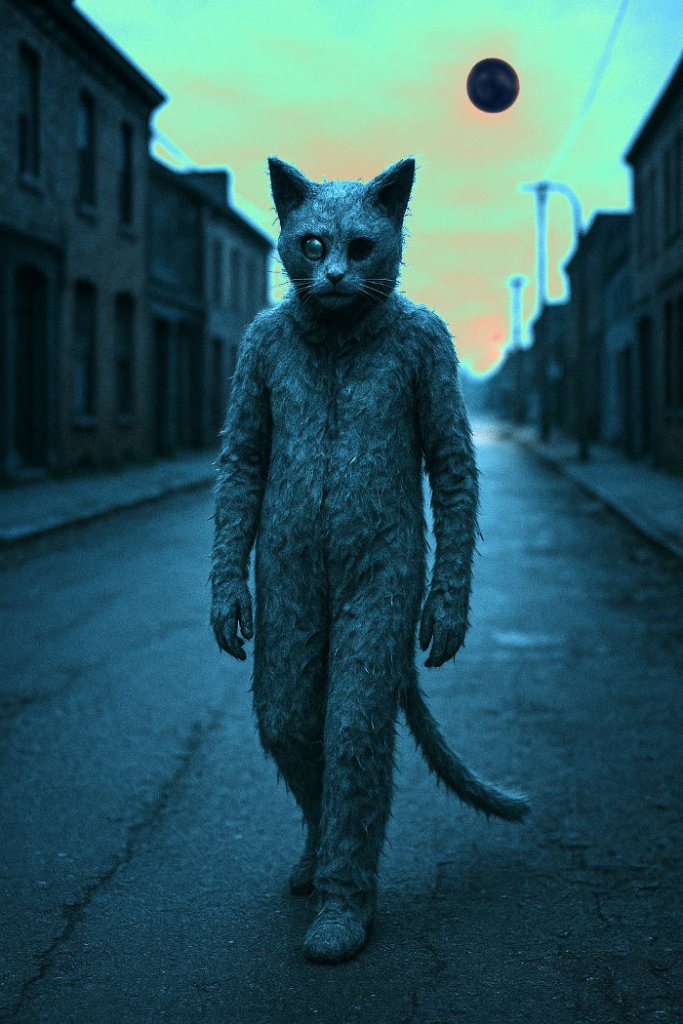

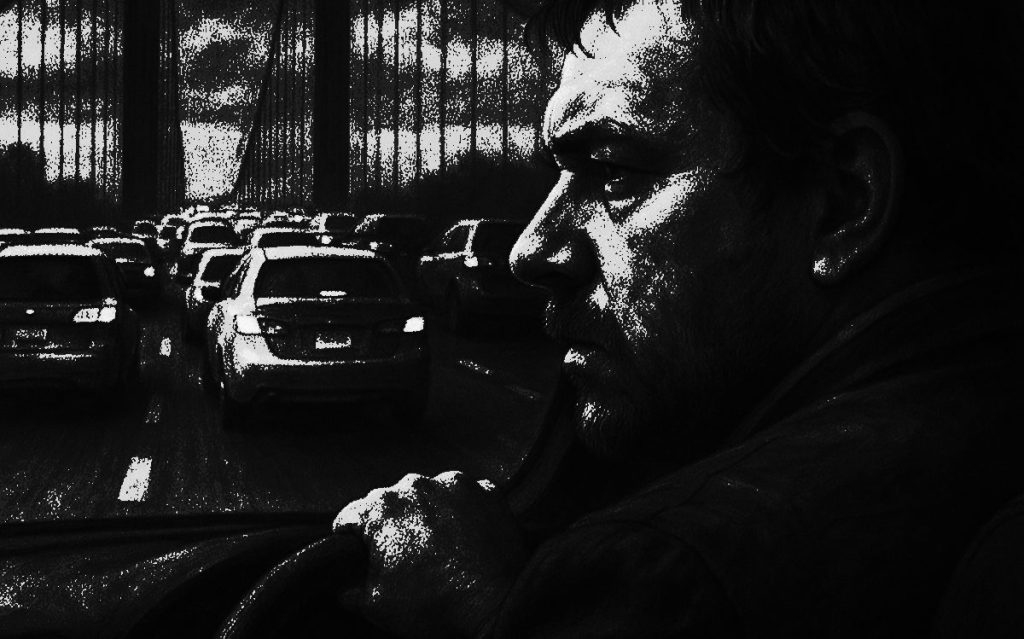




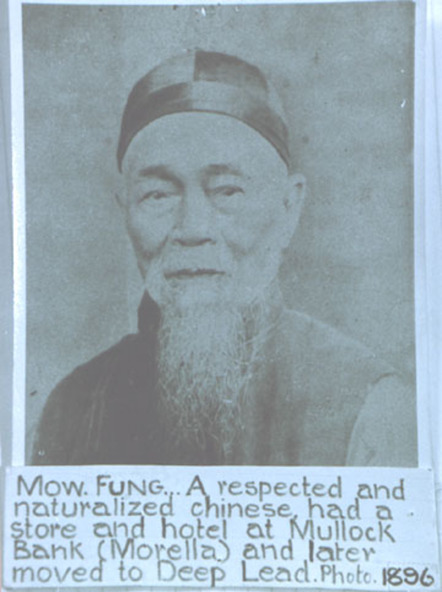
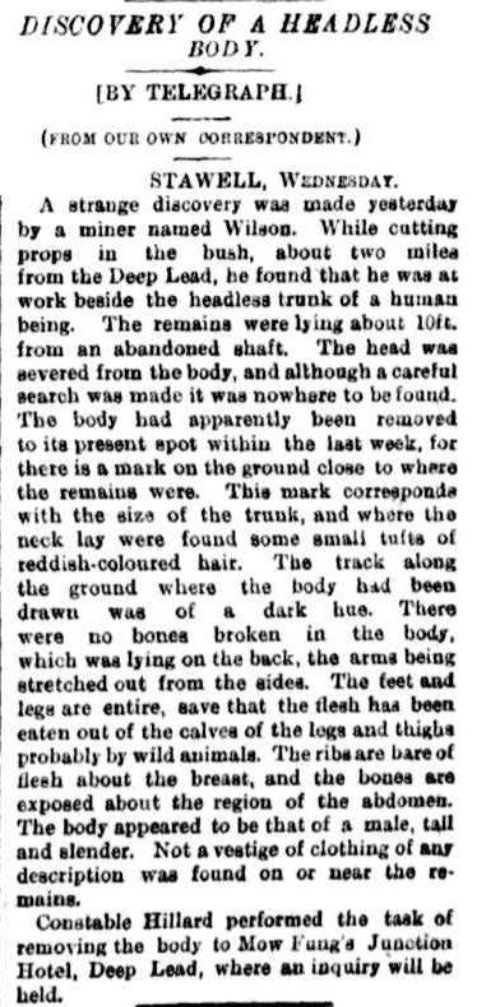
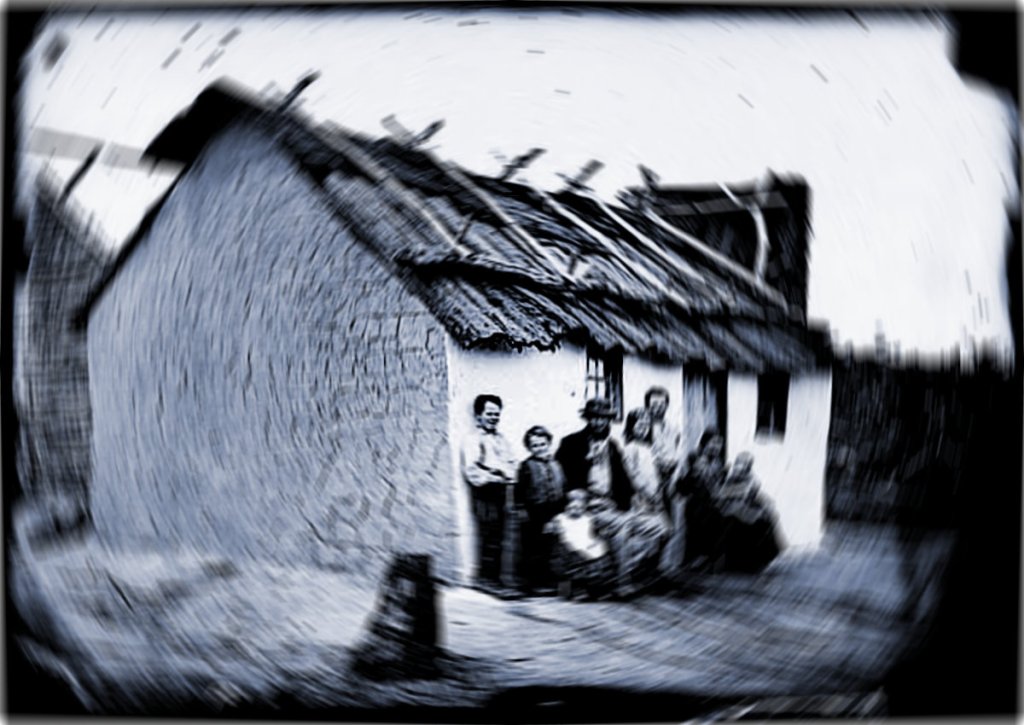


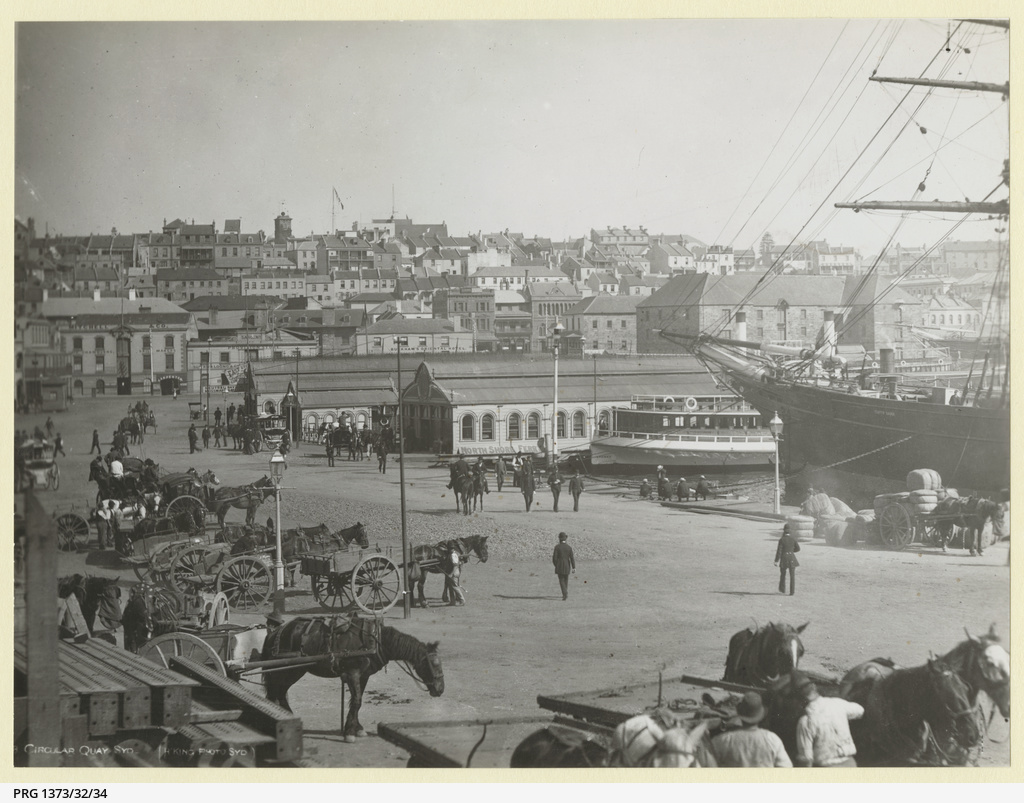


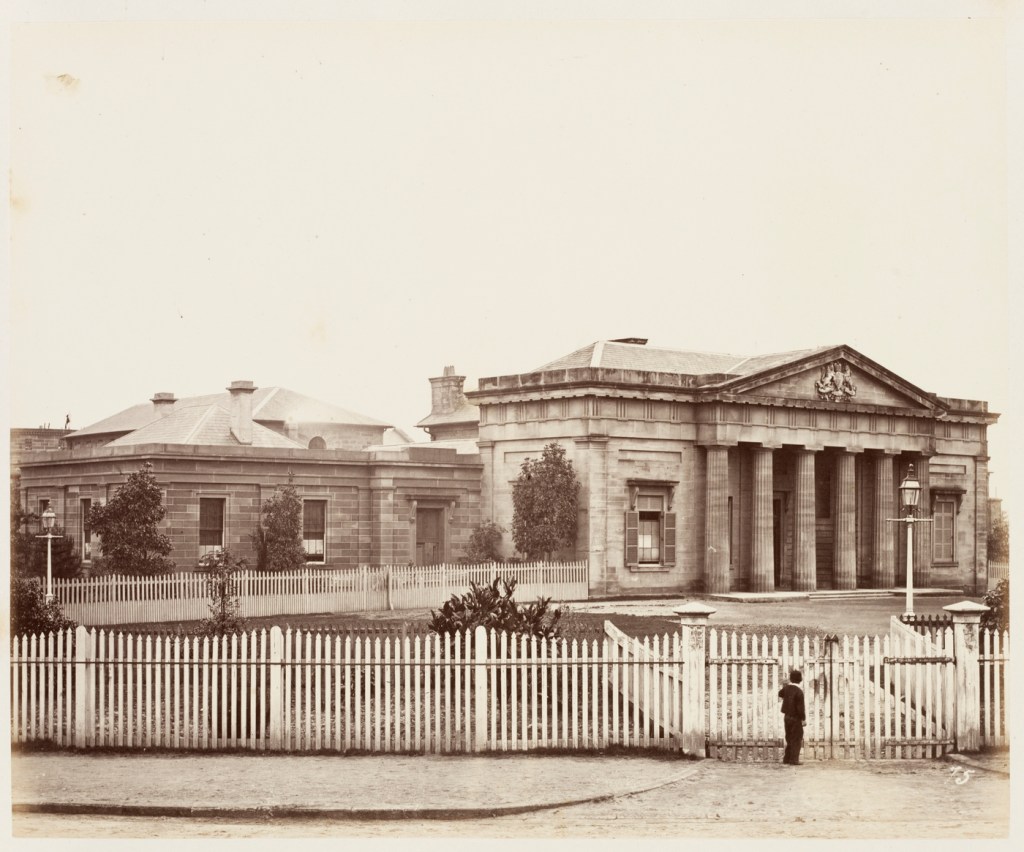



 Furin Chime Press™