Blog
-

This is the last chapter of Book One, dealing with the climax of events on the evening 15th April, 1856, for which the narrator has been preparing the reader. There is a thin line between author and narrator, and in some novels the narrator is distinct, is known, has a name: ‘Call me Ishmael’, so… Read more
-

Archibald Clavering Gunter’s life exhibits the marks of a new breed of author – one that in turn exemplifies an emerging species of individual. Homo Economicus, or ‘economic man’: a term coined initially in reaction to John Stuart Mill’s utilitarianist theory and the eminently sensible-sounding principle that “actions are right in the proportion as they… Read more
-

As we begin this chapter, Fernando Gomez Montez, having tampered with George Ripley’s revolver, has new confidence, and commences putting in place other components in his plan to relieve the American of his gold-filled chest, and fair-skinned wife. Montez arranges boat transport for himself and the Ripleys to Panama where they find it crowded with… Read more
-
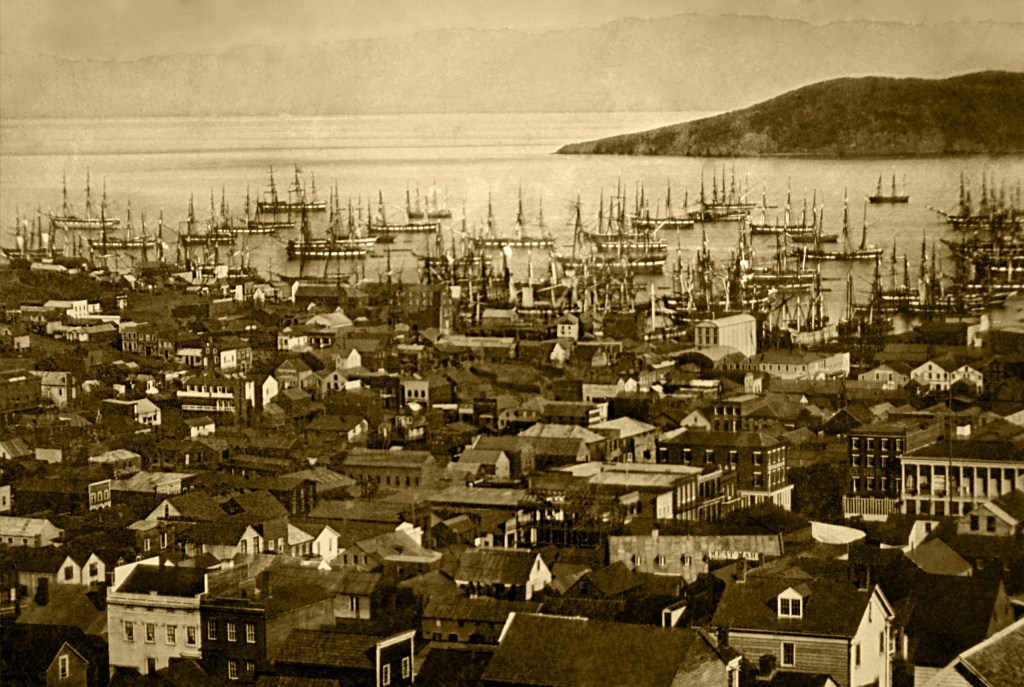
A brief reflection on the theme of eugenics that Brian Armour identifies in Baron Montez, in his preface to Chapter One. Gunter was himself probably of “mixed race” to a modest degree. Legacies of British Slave-ownership, a web site of University College London, reports that his father, Henry Gunter (1813–1856), was born in Jamaica to… Read more
-

Our narrator is at it again, delighting us with wonderful descriptions of island scenery and life, while never missing an opportunity to take a swipe at Montez. Fernando is now increasingly referred to as ‘little’. When a Narrator becomes a character in a story, as I explored in the previous introduction, expressing opinions, deriding or… Read more
 Furin Chime Press™